
AI Brainrot: Where the Format Came From
What AI brainrot means, why the umbrella term outlives every meme under it, how the videos are actually assembled, and what platforms require of them.
 Noah Berger 8 min read
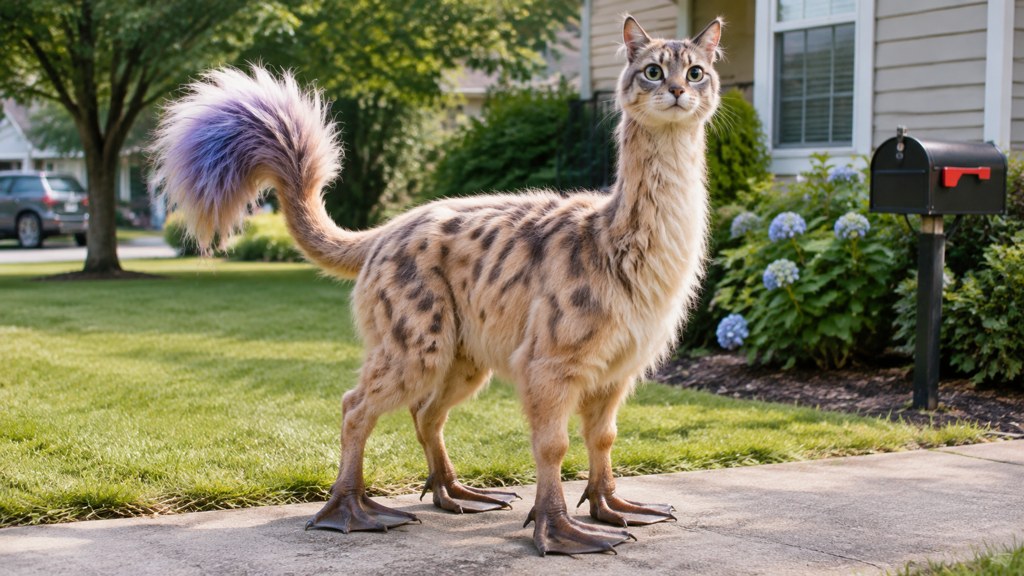
AI brainrot is the catch-all name for short, absurd, generated video: invented creatures, nonsense narration, captions stacked over a music bed, cut fast enough that you watch the next one before deciding to. If you asked a chat assistant to make one and it declined, that is expected. An assistant can write the script and the character description; rendering frames needs a video model. This piece covers where the format came from, why individual memes inside it burn out in weeks, how the videos are built, and what the platforms require when you post them.
What does AI brainrot mean?
Two words are doing separate jobs. Brain rot is about consumption: Oxford University Press named it Word of the Year in 2024 and defines it as "the supposed deterioration of a person's mental or intellectual state, especially viewed as the result of overconsumption of material (now particularly online content) considered to be trivial or unchallenging", noting that usage "increased in usage frequency by 230% between 2023 and 2024" (Oxford University Press (2024), read 7 September 2026).
The prefix flips it to production. The brainrot meaning that matters for creators is a format: deliberately absurd generated clips, made cheaply, posted in volume, designed to be watched in a scroll rather than chosen. It is an umbrella, not a genre with rules, and that is exactly why it has survived while the memes underneath it have not.

Where did AI brainrot come from?
The insult is Victorian. Thoreau used it in Walden in 1854: "While England endeavors to cure the potato-rot, will not any endeavor to cure the brain-rot, which prevails so much more widely and fatally?" The internet borrowed it much later, with recorded use on Twitter from 2007 and a surge on Discord around 2020 that turned it into a meme rather than a complaint (Wikipedia (2026), read 7 September 2026).
Anyone asking how did AI brainrot start is really asking when absurdist internet humour met cheap rendering. Surreal edits, deep-fried images and nonsense audio all predate generative video by years. What changed is unit cost: once one person could produce a character, a voice and thirty seconds of motion in an afternoon, the format stopped being a craft exercise and became a volume business.

That is also why the format is impossible to attribute to a single creator. It emerged wherever the tools landed, in several languages at once, and the earliest widely-copied examples were already imitations of something else (Know Your Meme (2026)).
Why do individual brainrot memes die so fast?
This is the central observation of the whole category, and it is visible in search behaviour rather than in commentary. A named character explodes, saturates within a few weeks, and then flatlines so completely that the term is worth nothing months later. The umbrella term keeps rising through all of it.
- Novelty is the entire payload. Once you have seen the joke, the second video of the same character is a repeat, not a sequel.
- Imitation is instant. A format that takes an afternoon to copy has no defensible period, so supply overshoots demand in days.
- Recommendation systems accelerate both halves: the spike is steeper than older meme cycles and so is the collapse.
- Nothing carries over. The character has no story, so there is nothing for an audience to return for.
Build for the umbrella, never for the character. The umbrella is still growing; the character has a fortnight.
— Noah Berger
The practical consequence: treat any specific meme as a dated illustration rather than a plan. If you are reading a list of examples in an article like this one, most of them are already historical, which is why this post names none of them as evergreen.
How are AI brainrot videos made?
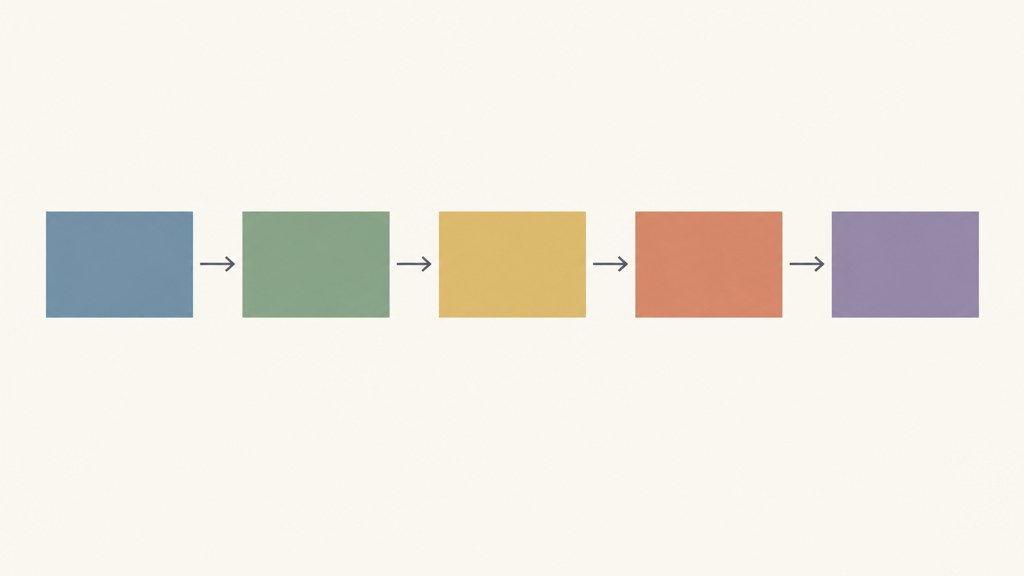
There is no single brainrot video generator that does the whole job. It is five steps and four tool categories, and the whole pipeline runs in under an hour once you have done it twice.
- 1
Build the character as a still
Start in the image generator, because a still is cheap and you will discard several. Lock the design before anything moves.
- 2
Animate it
Feed that still to an image-to-video model such as Kling v3 Omni in the video generator. Vertical framing, short clips, one camera move each.
- 3
Add the voice
Text-to-speech does the narration; services such as ElevenLabs are built for it. The voice carries more of the joke than the visuals do.
- 4
Caption everything
Auto-captions in an editor: CapCut markets both auto subtitles and text-to-speech in the same product (CapCut (2026), read 7 September 2026). Captions are not accessibility decoration here, they are the pacing.
- 5
Lay a sound bed under it
One loop, mixed low, chosen for tempo rather than taste. Silence kills the format faster than a bad render.
Shape follows platform. In our own workbench data for August 2026, vertical framing took 22 of the 39 external video jobs, which is what you would expect from a format that lives in a scroll. If the effect you want is a specific transformation rather than free-form motion, the AI VFX generator gets there with fewer attempts than prompting from scratch.
What makes a brainrot video work?
Four mechanics, none of which are about the model you used.
| Mechanic | What it does | How it fails |
|---|---|---|
| Pacing | A cut or a new caption every one to two seconds keeps the thumb still | Long holds; a viewer who has time to think scrolls |
| Escalation | Each beat is more absurd than the last, and the ending is the peak | Front-loading the joke, then coasting |
| A recurring character | Gives an audience a reason to watch the next one | A new creature every video, so nothing accumulates |
| A sound hook | The audio is the memorable part and it travels between videos | Music chosen for mood rather than tempo |
The recurring character is the one most people skip, and it is the only one that compounds. A channel with one creature and forty jokes beats a channel with forty creatures and one joke, every time.
How do you make one without producing slop?
The line is not absurdity, it is whether anyone made a decision. Slop is volume output with no author: no joke that resolves, no character anyone would recognise twice, no reason for this clip to exist rather than the twenty identical ones next to it.
- Write the joke before you open a generator. If the punchline does not survive being said out loud, no render fixes it.
- Keep one character across a run of videos, and let the audience learn its behaviour.
- Cut the clips you were merely willing to publish. The bad one costs you the next recommendation.
- Do not use a real person's face or voice for this. Absurd content plus a real likeness is the fastest route to a policy problem.
- Watch your own upload as a viewer would, at speed, with the sound on. Most of the failures are audible before they are visible.
Our separate piece on AI slop covers the editorial test in more detail; the short version is that a format built on speed still needs one human decision per video.
What do platforms do with brainrot content?
Two different policy sets apply and creators keep confusing them: disclosure rules, which are about labelling, and monetisation rules, which are about whether a channel gets paid.
YouTube's disclosure requirement is published and specific: "we require creators to disclose when they use AI to meaningfully alter or generate photorealistic content", with three named cases, being content that makes a real person appear to say or do something they did not, content that alters footage of a real event or place, and content that generates a realistic scene which did not occur (YouTube Help (2026), read 7 September 2026).
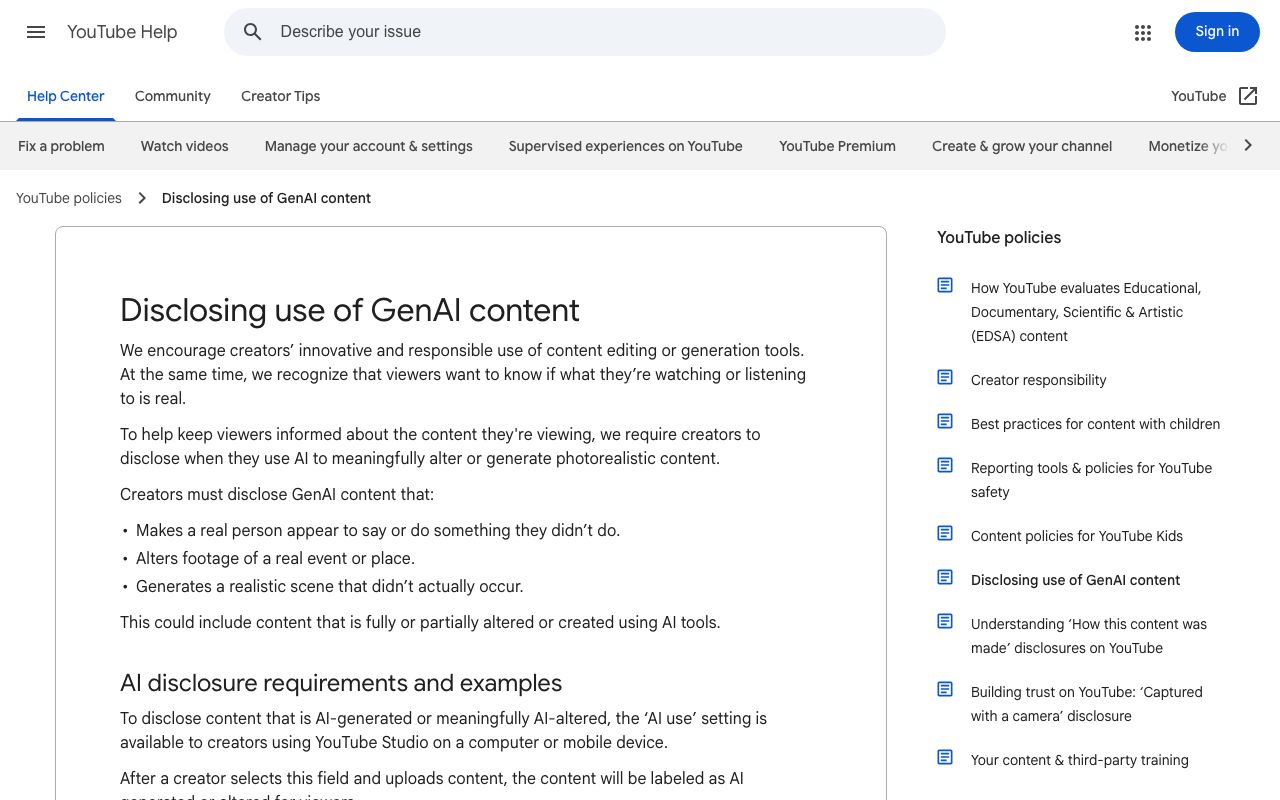
Read that carefully, because most brainrot sits outside it. An obviously invented creature is not photorealistic content depicting a real event, so the labelling rule usually does not bite. The moment a real face, a real place or a plausible news scene enters the frame, it does.
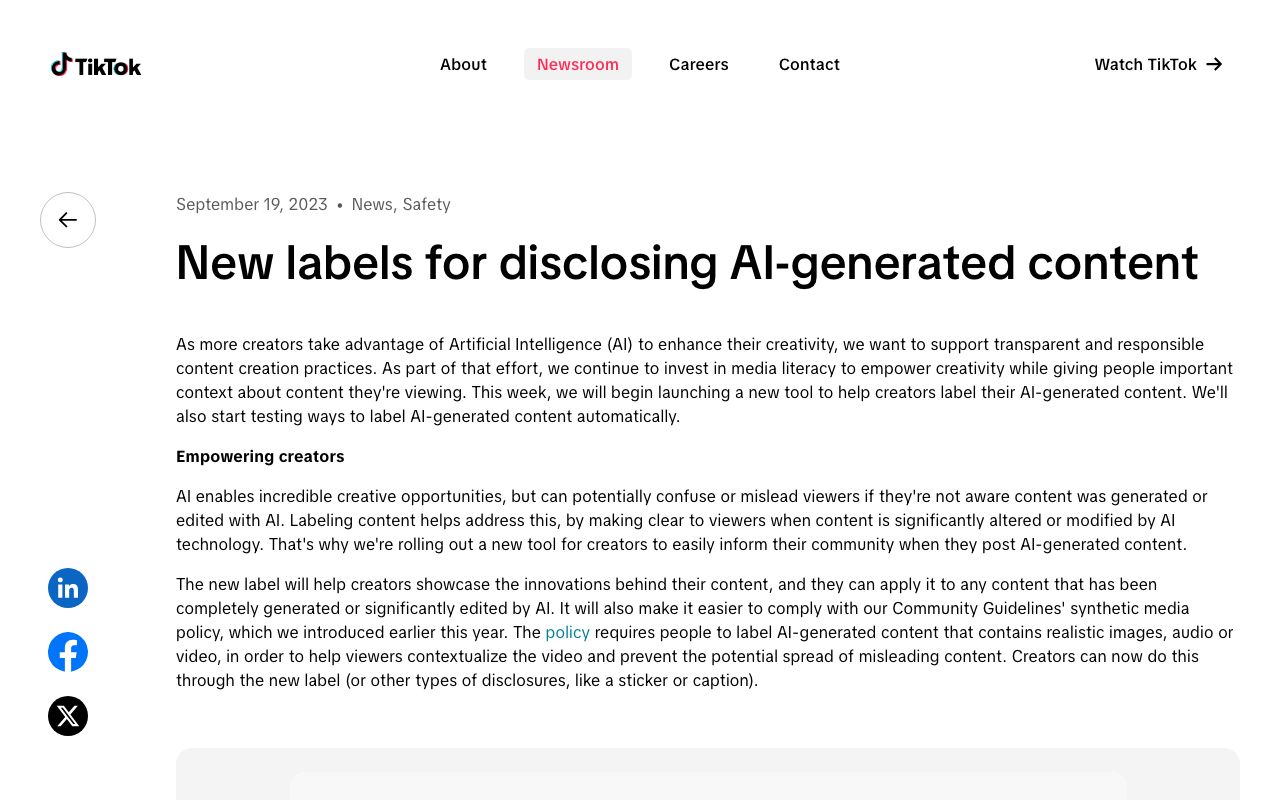
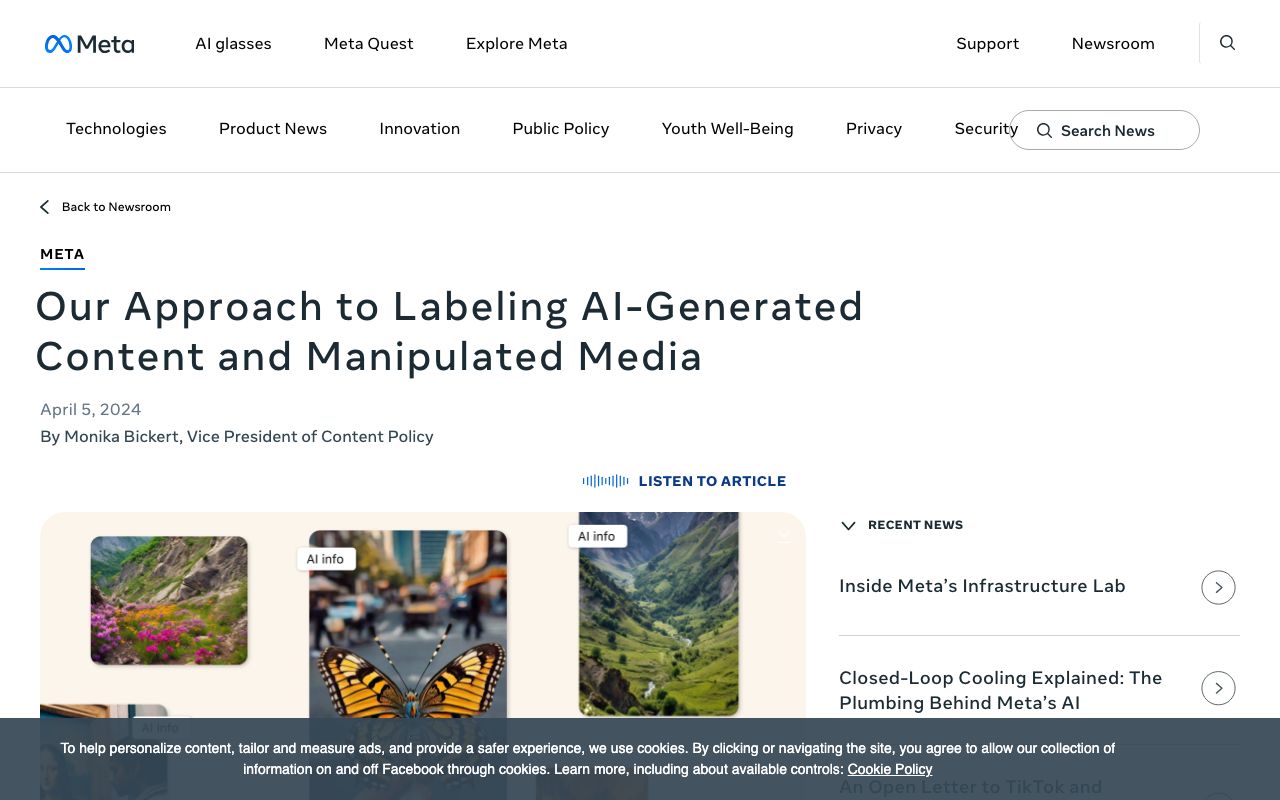
Monetisation is judged separately, in partner programme terms rather than in labelling policy, and that is where mass-produced repetitive uploads are assessed. Check the current terms of the platform you publish on before you build a business on volume, because these are the rules that move most often.
Is it worth building a channel on this format?
As a business, only with clear eyes about what decays and what does not.
- What decays: every named meme, every specific creature, every trending sound. Assume a fortnight.
- What transfers: your production speed, your editing rhythm, a character you own, and an audience that followed the account rather than the meme.
- What is fragile: monetisation on volume alone, since platform rules are aimed squarely at that model.
- What is durable: being early on a format you can restage when the next one appears.
The honest verdict is that this is a skills investment wearing a costume. The channel may not last a year; the ability to go from idea to a captioned vertical clip in an hour will outlive every character you put in it.
Key takeaways
- Brain rot was Oxford's Word of the Year in 2024 and describes consumption; the AI prefix turns it into a production format.
- Named memes inside the format spike and collapse within weeks while the umbrella term keeps growing.
- The pipeline is five steps: still character, image-to-video, text-to-speech, captions, sound bed.
- A recurring character is the only mechanic that compounds across videos.
- YouTube's disclosure rule targets photorealistic content about real people and events, which most invented-creature clips are not.
Models & Research Editor
Noah Berger
Noah Berger tracks generative models and the rules around them for LazyKiwi. He works from primary sources, dates every claim, and updates a post when the model or the policy behind it changes.
FAQ
Common questions
What is brainrot, in plain English?
It started as a complaint about consuming too much trivial online material, and Oxford University Press made it Word of the Year in 2024 with that meaning. Online it now doubles as the name of the content itself: short, absurd, fast-cut clips made to be scrolled past.
How many AI brainrot animals are there?
There is no fixed number and no canonical list. Characters appear faster than anyone catalogues them and most stop being used within weeks, so any count you read is a snapshot of one month. Meme databases document individual formats as they surface rather than maintaining a total.
Is there a brainrot video generator that makes the whole clip?
No single tool does all of it well. The working setup is an image generator for the character, an image-to-video model for motion, a text-to-speech voice, an editor for captions and a music bed. Bundled one-click products exist but they mostly chain the same steps.
Do I have to label these videos as AI-generated?
On YouTube the requirement covers content that meaningfully alters or generates photorealistic material, with three named cases about real people, real places and realistic scenes. Invented creatures usually fall outside it, and a real face or location puts you back inside.
Can a channel in this format actually earn?
Some do, but monetisation rules are aimed at exactly the volume-first model this format encourages, and they change often. Treat platform payouts as the least reliable part of the plan and read the current partner terms before scaling uploads.
Build the character before the clip
Generate the still first, keep the design you can reuse, then animate it. That order costs fewer credits and produces a channel rather than a one-off.
Related reading

How to Make AI Cat Videos People Actually Watch (2026 Guide)
Make AI cat videos from one photo with models that keep paws and eyes honest, run the dance templates, keep one cat across a series and test free.
9 min read
How to Make an AI Baby Meme (Video and GIF) in 2026
Where the AI baby meme came from, how to make the image, video and GIF versions from one photo, caption formats that land, and the label rules per platform.
9 min read
25 Faceless YouTube Channel Ideas That Still Work in 2026
25 faceless YouTube channel ideas grouped by production load, with the format, tool stack and policy risk for each, plus YouTube's 2026 rules on AI content.
10 min read
AI Video Generation Trends 2026: What the Data Shows
AI video generation trends 2026 from dated sources: Semrush search indices for Kling, Veo and Sora, LazyKiwi template demand, and the Sora 2 API shutdown.
9 min read