OC Maker
Designing an original character is easy for one picture and hard for the second. This OC maker produces a character sheet, front, three-quarter and side views in one frame, so consistency becomes a composition problem the model can solve. That sheet then becomes the reference for everything after it.
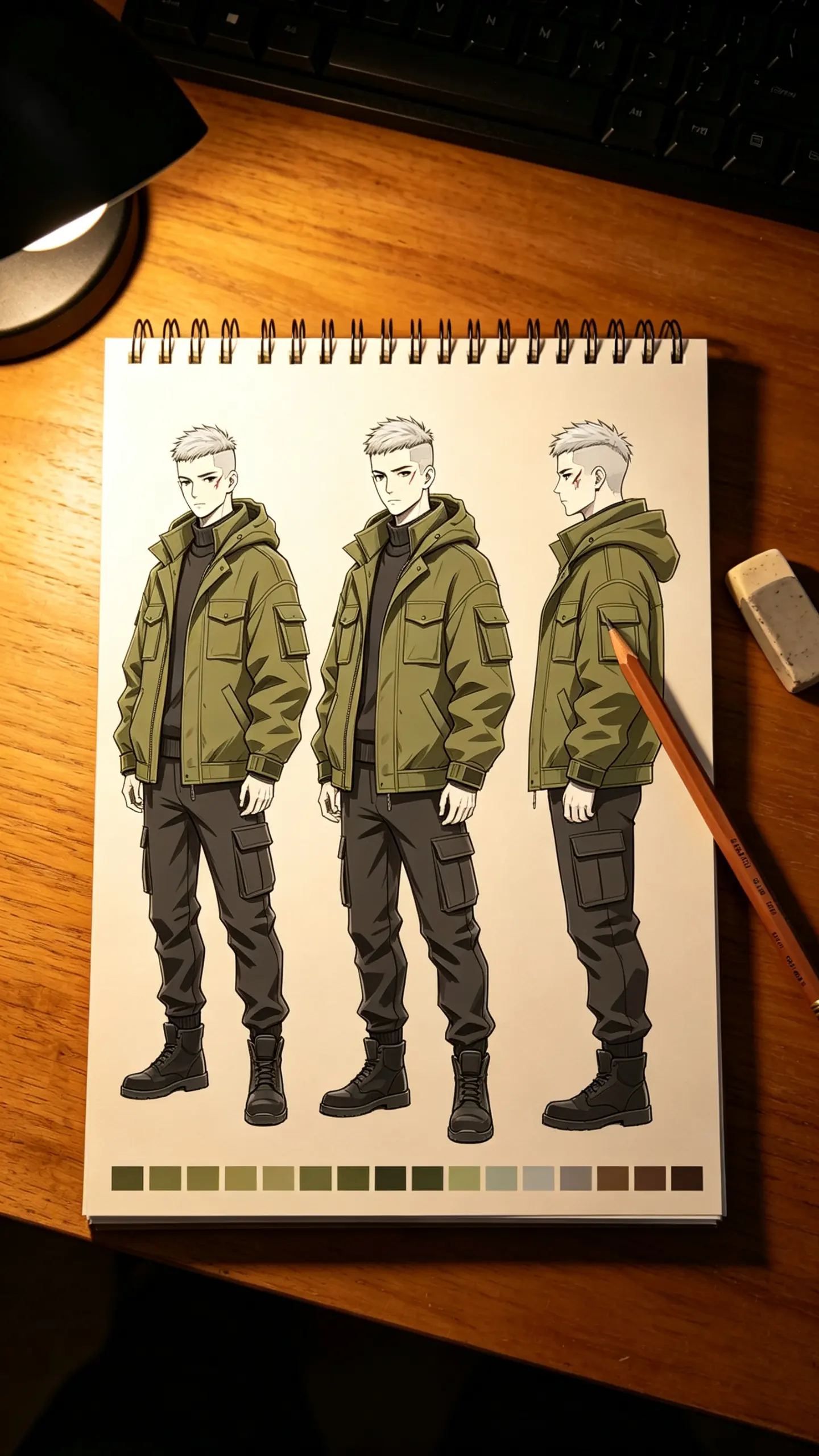
OC Character Sheet Template
No photo required. Describe the character's build, hair, colors and two or three distinctive fixed traits.
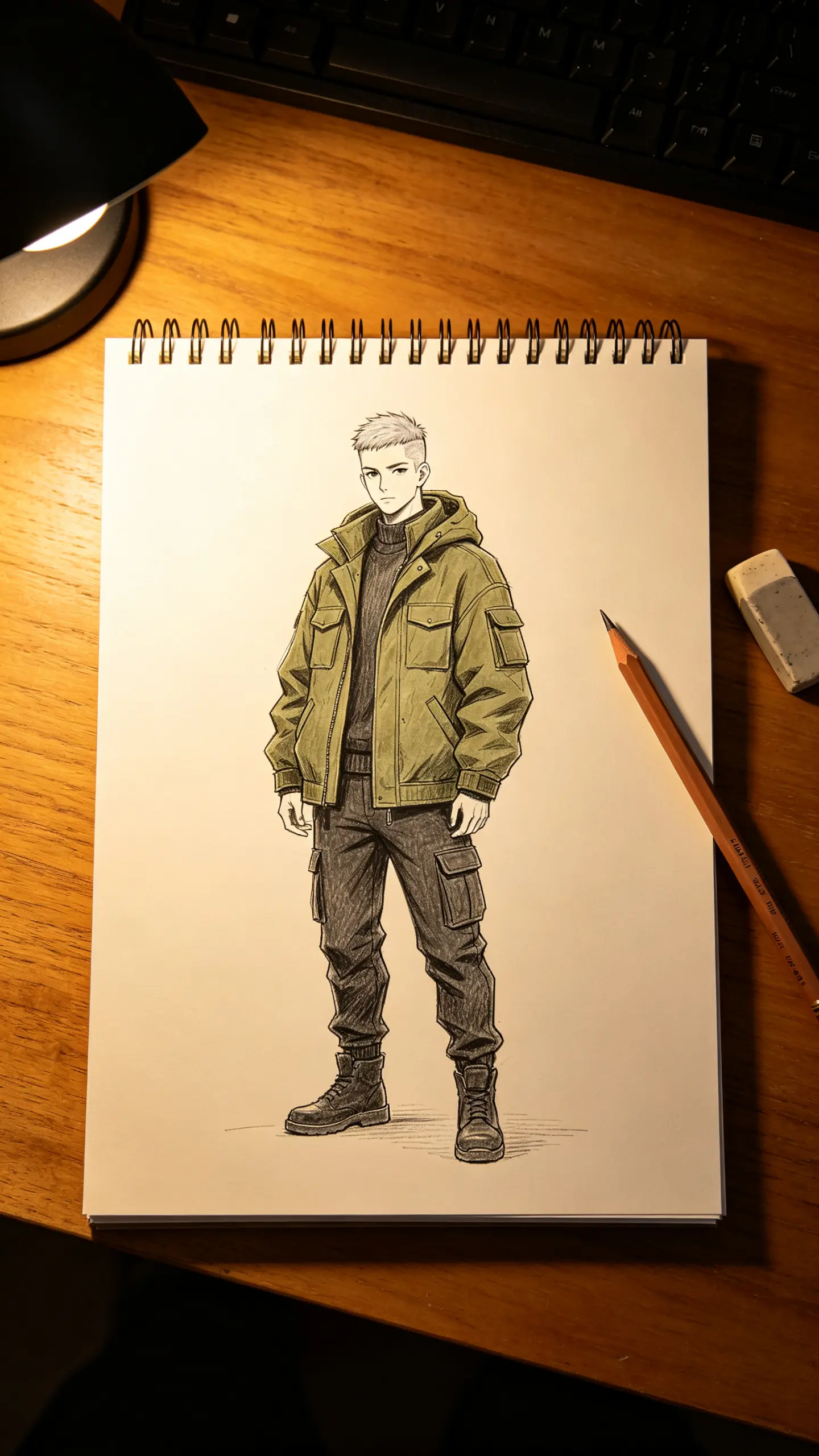
WHAT IT IS
Consistency inside one image is solvable. Across separate runs, it is a lottery
This is the detail that separates people who get a usable OC from people who give up. When you ask for three views in one image, the model composes them together and matches them to each other, because they share a canvas. When you ask for three images, each run samples independently and you get three siblings rather than one character. So the working order is: generate the sheet first, then feed the sheet back in as a reference for everything after it. Wan 2.7 Image Pro takes up to nine reference images, and Seedream 5.0 and GPT Image 2 also accept references, running the same sheet through two of them and keeping the better one costs one extra generation. Everything happens in the AI image generator.
- Lock identity with hard traits
- Models reproduce discrete, describable features far more reliably than they reproduce a face. A scar over the left eyebrow, one silver earring, a specific hair color named as a color, heterochromia, a permanently bandaged right hand, three traits like these carry a character across runs where 'pretty anime girl with brown hair' will not.
- The sheet before the scene
- Front, three-quarter and side views in a single frame, then the sheet becomes the reference. Skipping this step is why most people's OC looks like a different person by the fourth picture.
- Name the render style once
- Cel-shaded anime, semi-realistic painterly, chibi, flat vector, soft 3D. The style is part of the character's identity, the same design in two styles reads as two characters, so fix it in the first prompt and keep the wording identical afterwards.
- Where drift still shows up
- Expect small details to move between runs: the side an earring is on, the number of buckles, hair strand behavior, the exact shade of a secondary color. Back views are the weakest of all, because there is far less training data for the backs of characters than for their faces.
WHAT PEOPLE BUILD
Three things an OC gets made for
The reason you need the character decides how much of a sheet you need. A single avatar needs one good front view; a comic needs the full set.
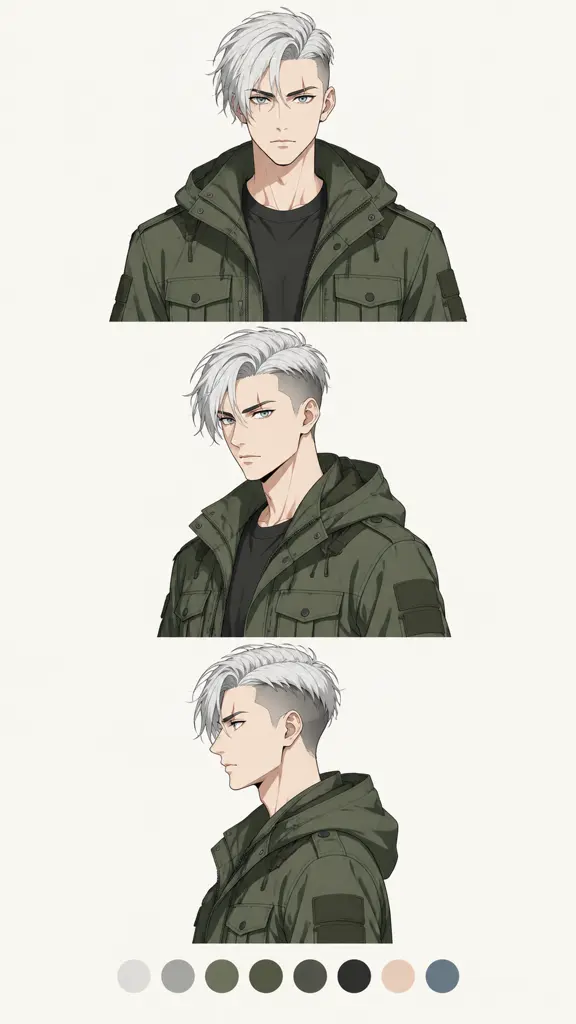
A reference sheet you can hand to an artist
Three views, a color row and the fixed traits written down. Commissioning becomes far cheaper and far less frustrating when the artist is matching a sheet rather than interpreting a paragraph.
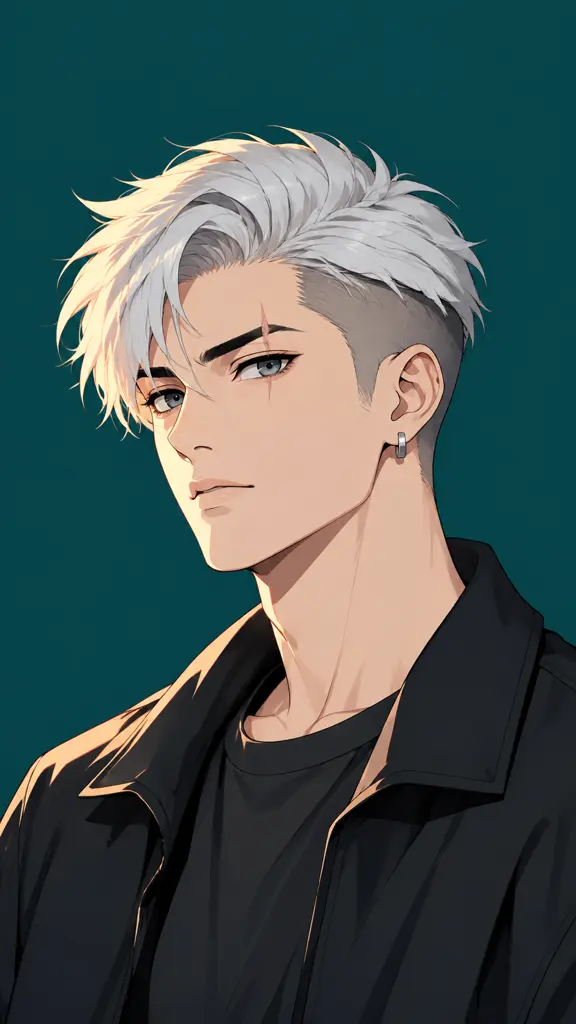
An avatar for a profile or a server
One strong three-quarter bust crop, generated square, is all a profile picture needs. If two people are designing OCs together, the pairing rules from matching profile pictures apply here too, shared palette, mirrored angles.
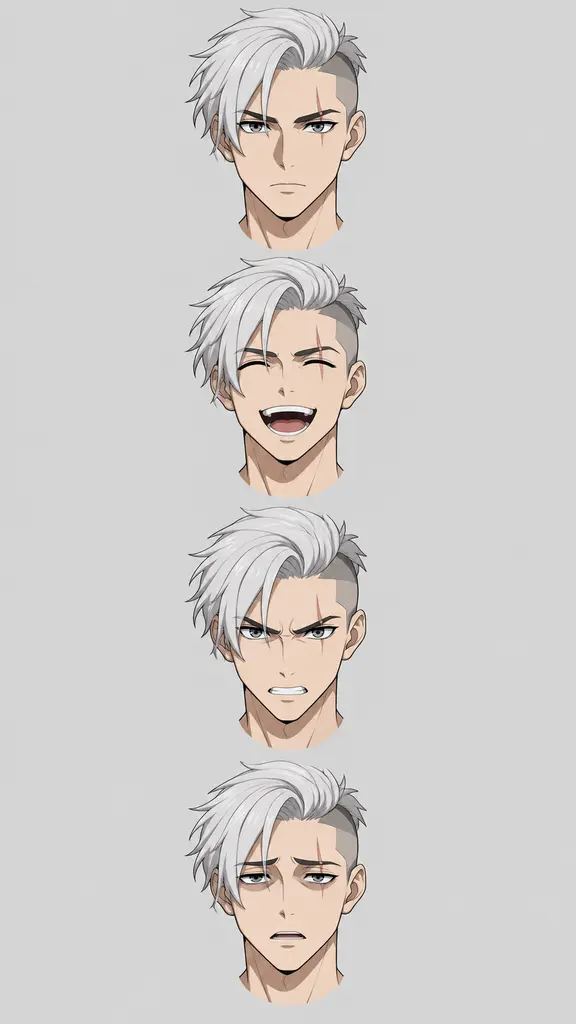
Expressions and poses for a comic
Once the sheet exists, generate an expression row (neutral, angry, laughing, exhausted) from the same reference. Consistency holds best when each new image changes one variable and keeps every other word of the prompt identical.
FAQ
Common questions
What is an OC maker?+
An OC maker is a tool for designing an original character, a character you invent rather than one from an existing series. Traditionally that meant a layered dress-up editor where you assemble a face from pre-drawn parts. This one generates the character from a description instead, and outputs a reference sheet rather than a single portrait.
How is this different from a picrew-style dress-up maker?+
Layered dress-up makers give perfect consistency and zero range: every part was drawn by one artist, so the pieces always match, and you can only build what that artist drew. A generator is the opposite trade, any hair, any outfit, any style, any species, at the cost of small details drifting between images. The character sheet workflow exists to claw back most of that consistency. Picrew, Charat and similar sites belong to their own creators; LazyKiwi is not affiliated with any of them.
How do I keep my OC looking the same in every picture?+
Three habits, in order of impact. Generate a multi-view sheet first and use it as a reference image for everything afterwards. Give the character two or three hard, describable traits, a scar, an unusual eye color, one asymmetric detail, because models reproduce specific features far better than a general face. And change one variable at a time, keeping the rest of the prompt word for word identical, so drift comes from one place instead of five.
Can I make an anime OC, or does it only do realistic ones?+
Both, and the style is worth naming explicitly. Cel-shaded anime, semi-realistic painterly, chibi, flat vector and soft 3D all work; for stylised and illustrated results Midjourney Blend and Nano Banana are the models to reach for first, while a photoreal character is better served by Seedream 5.0 or Z-Image. Each model page lists its inputs and maximum resolution.
What does it get wrong?+
Small countable details and back views. Buckles, straps, buttons, the side an earring sits on and the number of accessories all shift between generations, and back-view renders are noticeably weaker than front and three-quarter ones. Text on the sheet (a name label, a stat line) comes out malformed unless you use a text-capable model such as GPT Image 2 or Seedream 5.0, and even then it needs checking character by character.
Is my OC mine to use?+
The character you design is yours to use, including in comics, streams and commissions, see the pricing page for current plan terms. What you should not do is prompt for an existing character from an anime, a game or a franchise and treat the result as original; those designs belong to their studios, and a generated lookalike does not change that.
Other names for the OC maker
OC is short for original character, and the searches split by fandom and by output. Anime OC maker and OC generator cover the general case; character sheet maker and reference sheet describe what comes out; fursona maker, persona maker and avatar creator name particular kinds of OC. People also search for an AI character creator when they want the same thing without the fandom shorthand.
Design an original character, then keep it the same character
A multi-view sheet first, then poses and expressions from that reference.