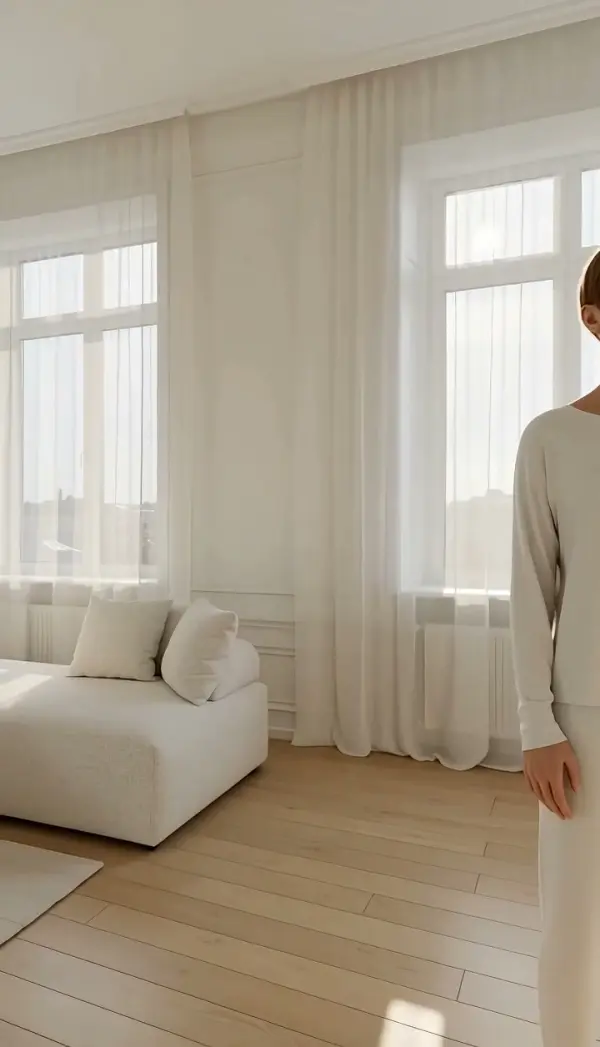
Over-the-Shoulder Follow Shot
Over-the-Shoulder Follow Shot places the camera behind the subject at shoulder height and moves forward in step with them, using the back, shoulder or head as a foreground frame while the path ahead stays clear. Upload one photo and LazyKiwi generates the follow as a short clip, no gimbal operator required.
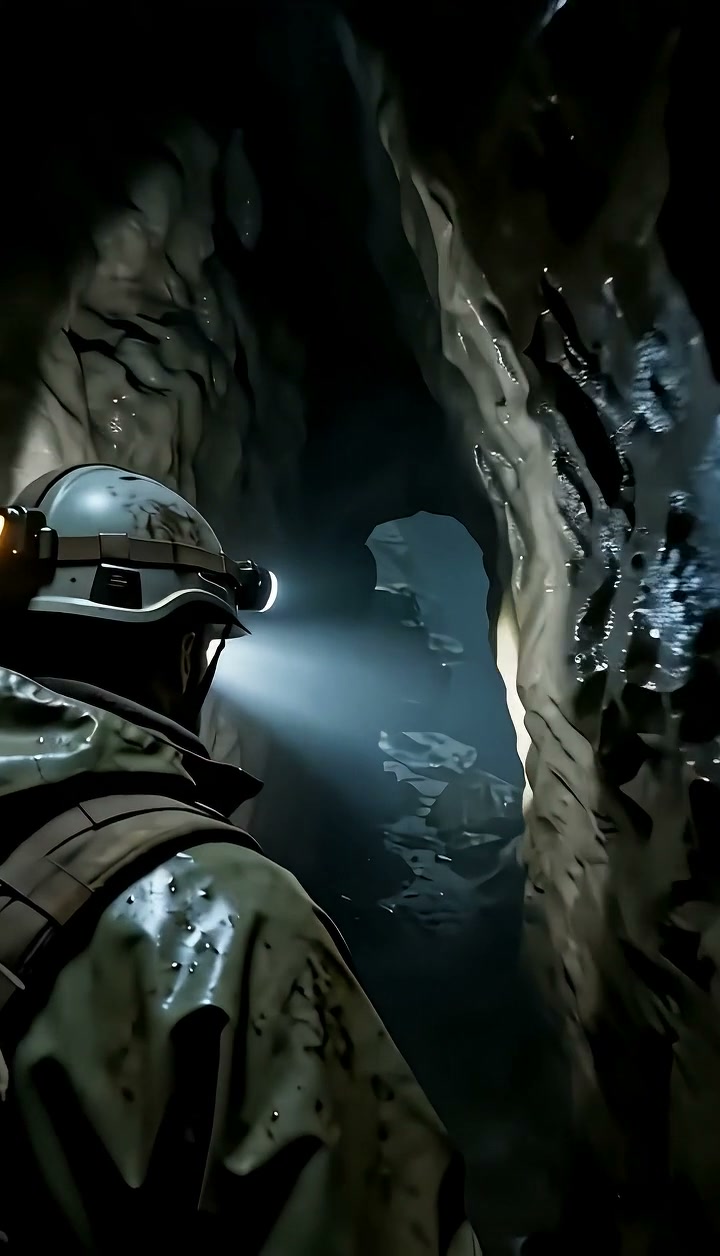
Over-the-Shoulder Follow Shot Template
Upload one photo taken from behind or three-quarter behind the subject with the way ahead visible: a trail, street, corridor or aisle framed past their shoulder.
WHAT IT IS
Over the shoulder shot that follows: camera behind the subject, road ahead in view
Over-the-Shoulder Follow Shot is an over the shoulder shot in motion: the camera sits behind the subject at shoulder height and advances along their route in sync with them, keeping the back, shoulder or head as a foreground guide while the path ahead stays clearly visible. In dialogue scenes an OTS shot is static and frames a second person; the follow version adds travel, so the audience walks with the character and sees what the character sees. Video games and documentary walk-ins use the same framing. LazyKiwi generates the follow from one uploaded photo. The Seedance video model reads the still as the first frame, keeps the subject's outline and clothing stable in the foreground, and pushes the camera forward at the subject's pace as the environment approaches and passes. The result is a short vertical 9:16 or landscape 16:9 clip, generated with no gimbal, Steadicam or crew.
- Shoulder as foreground frame
- Part of the subject, a shoulder, the back of the head or the upper back, stays in the near foreground and anchors the composition. That anchor makes a following shot camera setup feel embodied rather than detached.
- Camera at shoulder height
- The lens rides at the subject's shoulder line, not overhead and not at hip level. The viewer's eye line matches the character's, which is why the framing is used for point-of-view storytelling in film and games.
- Path ahead stays visible
- The engine keeps the route in front of the subject clear and readable. Doors, corridors, trails and crowds approach through the gap beside the shoulder, so the shot leads somewhere.
- Sync with the subject's pace
- The camera advances at the same speed as the subject along the same line. No overtaking, no lag; the follow shot feels like walking a step behind a friend.
USE CASES
Walk-ins, arrivals and first-person journeys
Any moment where the audience should feel they are a step behind someone heading somewhere.

Into the venue behind the host
Upload a photo taken behind an event host walking toward a lit ballroom entrance. The camera follows over their shoulder, doors and columns approach, and the 16:9 clip works as a walk-in opener for a conference recap.
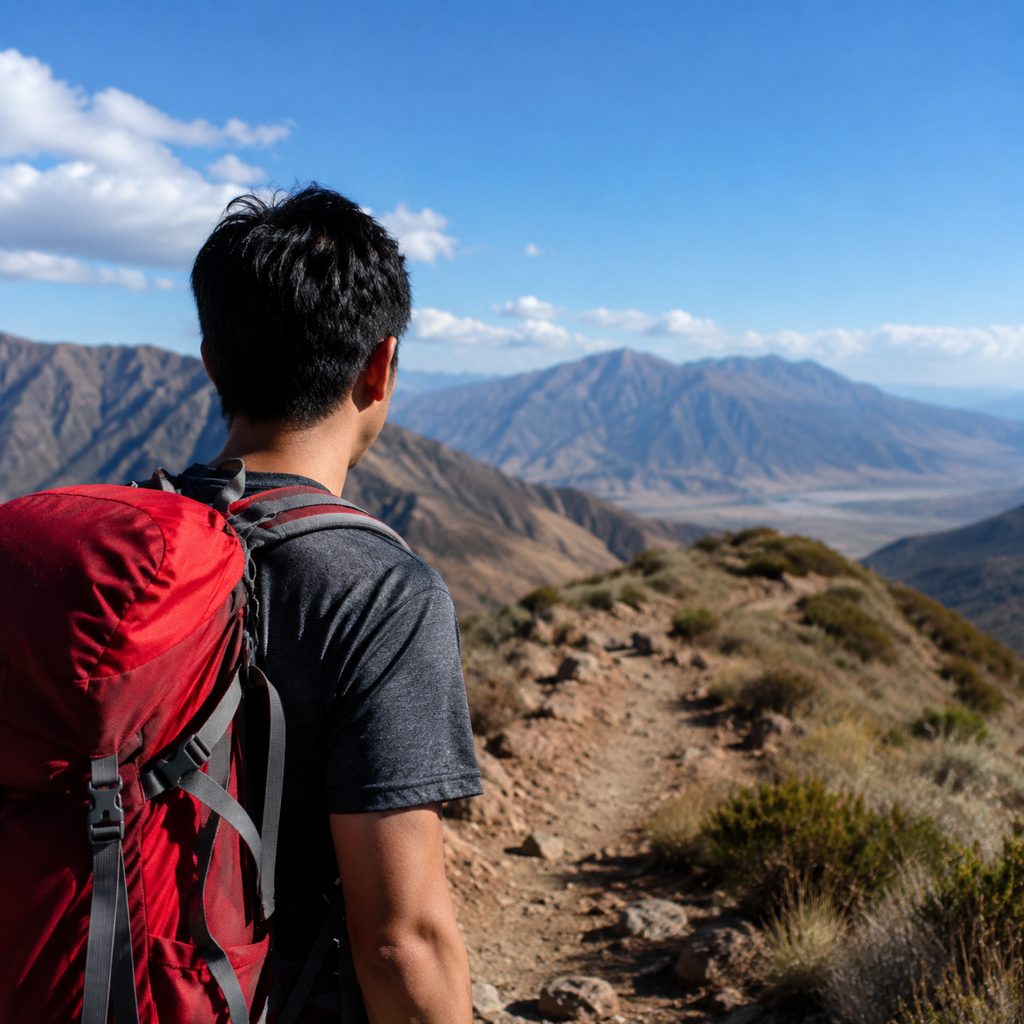
Hiker toward the overlook
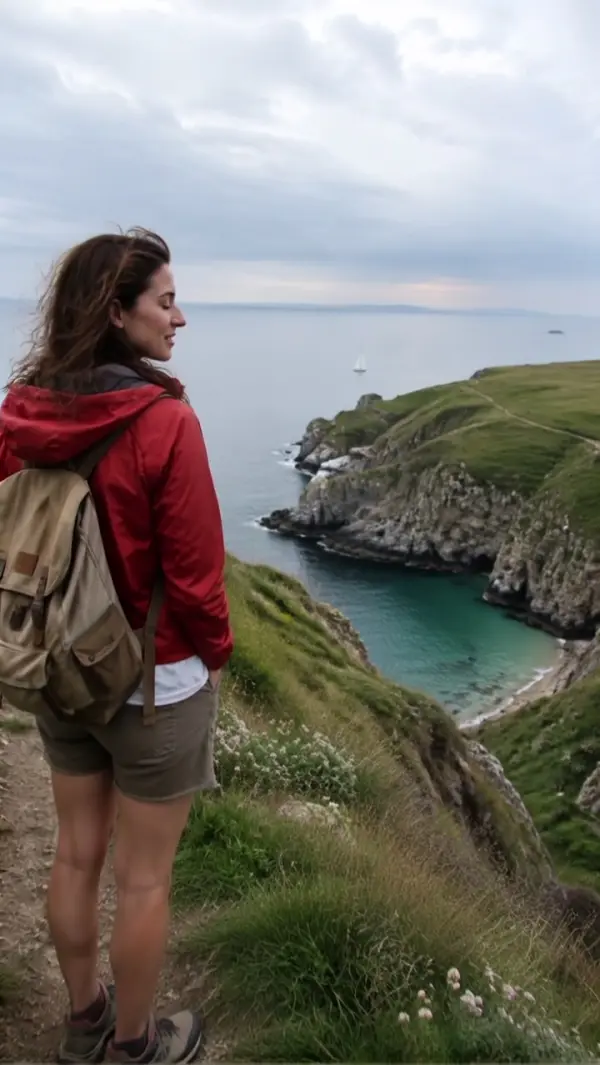
Photograph a hiker from behind on a ridge trail with the view ahead. The OTS follow moves with each step, rocks and scrub pass on either side, and the last frame holds the vista past their backpack for a 9:16 travel reel.

Grocery aisle from the shopper's back
Take one photo behind a shopper pushing a cart down an aisle. The camera keeps pace behind the shoulder, shelves stream past on both sides, and the aisle ahead stays open, a first-person style clip for a supermarket or lifestyle account.
FAQ
Common questions
What is an over the shoulder shot?+
An over the shoulder shot is a framing in which the camera sits behind one person, with part of their shoulder or head in the foreground, looking at what is in front of them. In dialogue the shot frames the other speaker. In the follow variation the camera moves with the subject and frames the path ahead instead.
How is an OTS follow different from a regular tracking shot?+
A regular tracking shot travels beside or in front of the subject and keeps the whole figure in frame. An OTS follow places the camera directly behind the subject at shoulder height, so part of the subject becomes the foreground and the viewer looks past them toward the route. LazyKiwi offers Tracking Shot and Side Tracking separately.
How does LazyKiwi generate a follow shot from a single photo?+
Your still becomes the first frame. The Seedance video model positions the camera behind the subject at shoulder height, advances along the subject's route at matching speed, keeps the back, shoulder or head as a foreground guide, and holds the path ahead clearly visible. Nothing is filmed; the follow shot is entirely synthesized, so no rig or operator is needed.
What photo works best for an over the shoulder follow?+
A sharp photo taken from behind or three-quarter behind the subject, with a visible route ahead, gives the best result. Keep the subject's shoulder or upper back in the lower third of the frame. Front-facing portraits will not work, because the camera needs to be behind the person.
How long is the clip and what aspect ratios are available?+
The template returns a short clip from one photo, in vertical 9:16 for Reels, TikTok and Shorts or landscape 16:9 for YouTube vlogs and event recaps. The subject stays anchored in the foreground for the whole clip, so any trim point keeps the same framing logic.
Where is a following shot camera angle used?+
A following shot camera angle is common in film walk-and-enter scenes, third-person video games, travel vlogs, real estate walk-throughs and event recap videos. On 9:16 platforms the framing works as a point-of-view hook; on 16:9 YouTube the clip suits the first seconds of a vlog where the host walks into a location.
Other names for Over-the-Shoulder Follow Shot
Names for this framing pile up across film, games and vlogging. Over the shoulder shot, OTS shot and over the shoulder follow are the film terms; follow shot, following shot camera and behind-the-back tracking come from documentary and gimbal work; third-person camera and back-follow appear in game and drone communities. Searches like OTS follow effect in CapCut and follow shot from a photo describe the same setup: camera behind the subject, path ahead in view, which this template generates from one still.
Follow behind the shoulder from one photo
Signup comes with free credits, enough to test an OTS follow on your own shot.