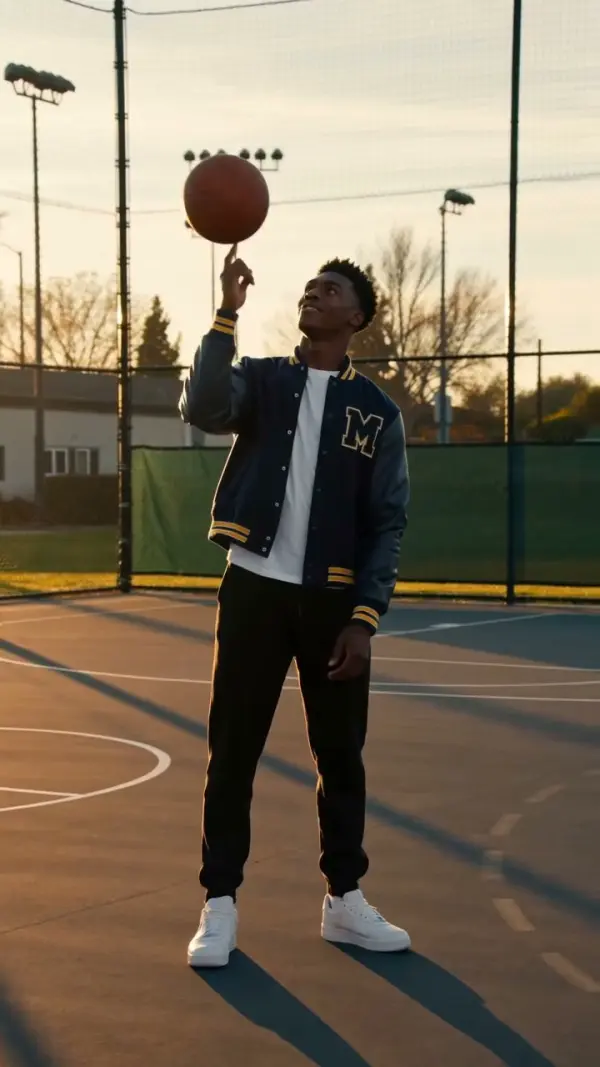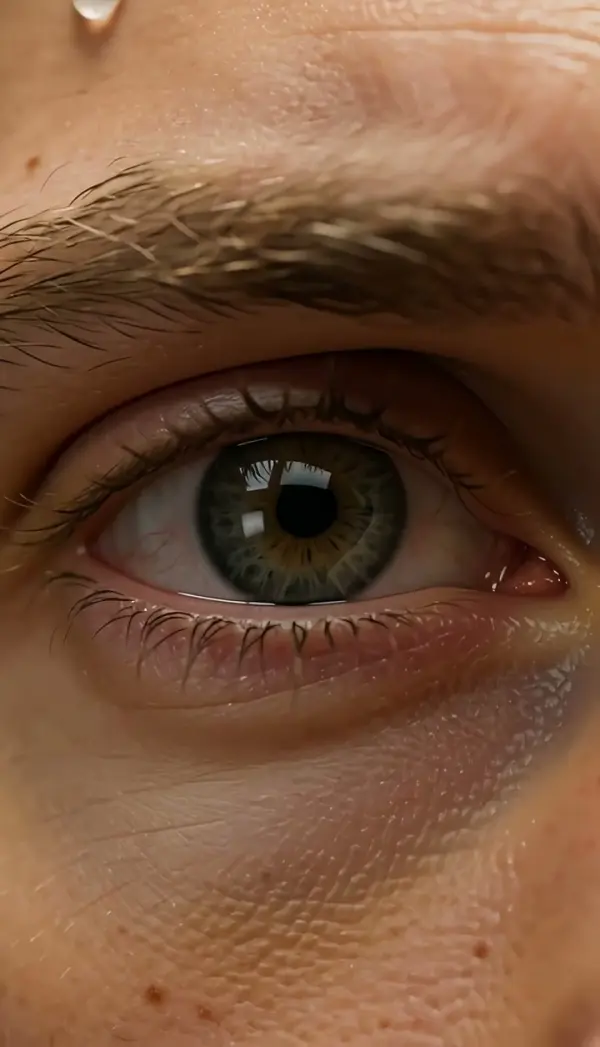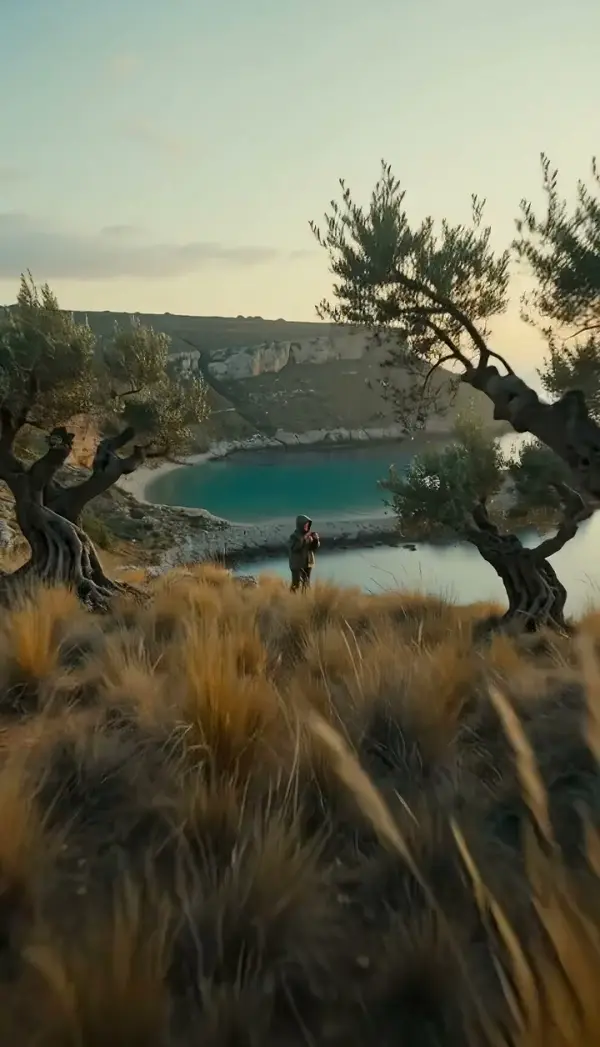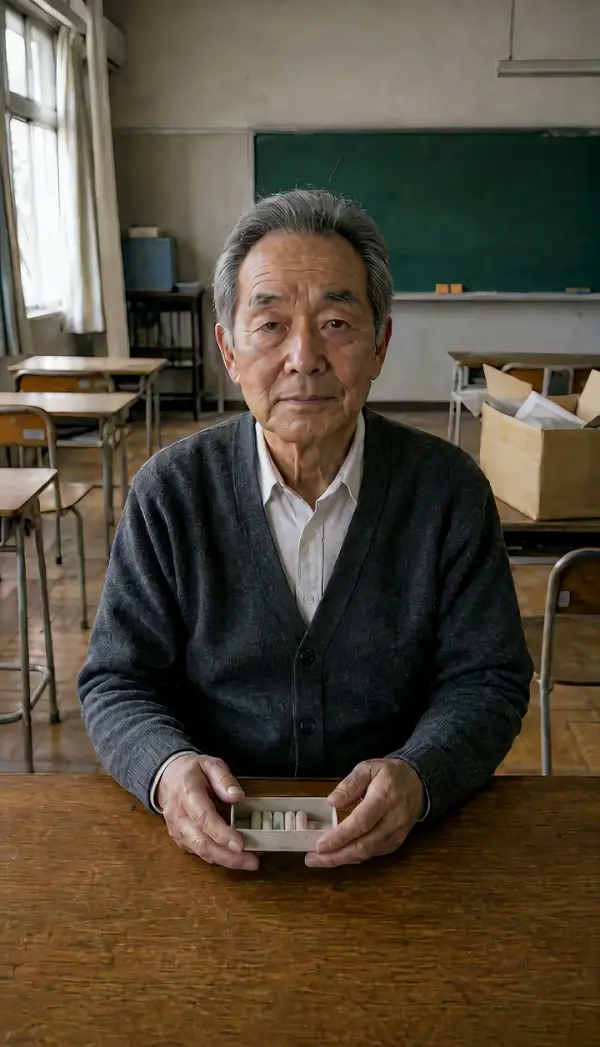
Pedestal Down
Pedestal Down lowers the entire camera on a straight vertical path while the lens stays level and keeps its framing direction, so proportions shift naturally as the viewpoint sinks toward a low position. Upload one photo and LazyKiwi renders a short clip that ends at the lower height.
Pedestal Down Template
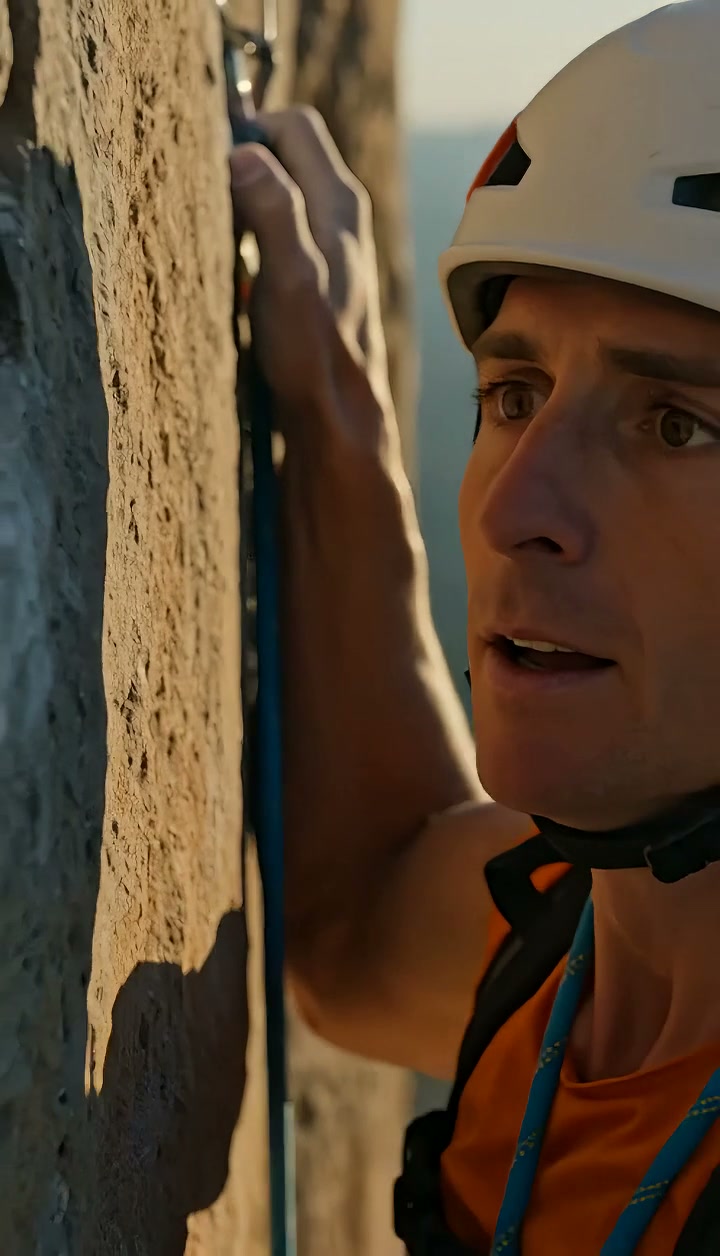
Upload one photo shot from around eye level with something worth reaching lower in the scene: a tabletop, shoes, a pet, a child or the base of a building.
WHAT IT IS
A vertical camera movement toward the ground
Pedestal Down is a pedestal shot in which the whole camera lowers on a straight vertical line while the lens stays level and keeps the same framing direction. The camera does not tip forward; the viewpoint simply descends, the way it would if you knelt while holding a level camera. Near objects rise through the frame faster than far ones, and the floor, table or ground takes up more of the picture. LazyKiwi generates this pedestal movement from one uploaded photo. The Seedance video model uses your still as the first frame, keeps the subject's identity stable, lets proportions and spatial relationships change naturally, and lowers the camera position until the final frame shows a low viewpoint. No column, jib or crew is needed. The output is a short clip in vertical 9:16 for Reels and TikTok or landscape 16:9 for YouTube.
- Lens level all the way
- The engine holds the lens horizontal throughout the descent. Verticals stay parallel and the horizon stays flat, which separates a pedestal move from a tilt down that would bend the perspective toward the floor.
- Ground takes over the frame
- As the camera sinks, the floor, tabletop or pavement occupies more of the picture and the ceiling or sky leaves the top edge. Foreground objects climb through the frame faster than the background.
- Proportions shift naturally
- Your subject keeps the same face and outfit, but the lower viewpoint makes legs, feet and low details larger in frame. The engine lets those proportions change the way real optics would.
- Ends on a low viewpoint
- The clip settles at the bottom of the travel on a steady frame near ground or table height. That final frame is a natural place to cut to a shoe, a paw or a product on the floor.
USE CASES
When the camera should come down
Use the descent to ground a subject, meet a smaller subject at eye level, or land on a detail near the floor or table.
Descend to the shoes
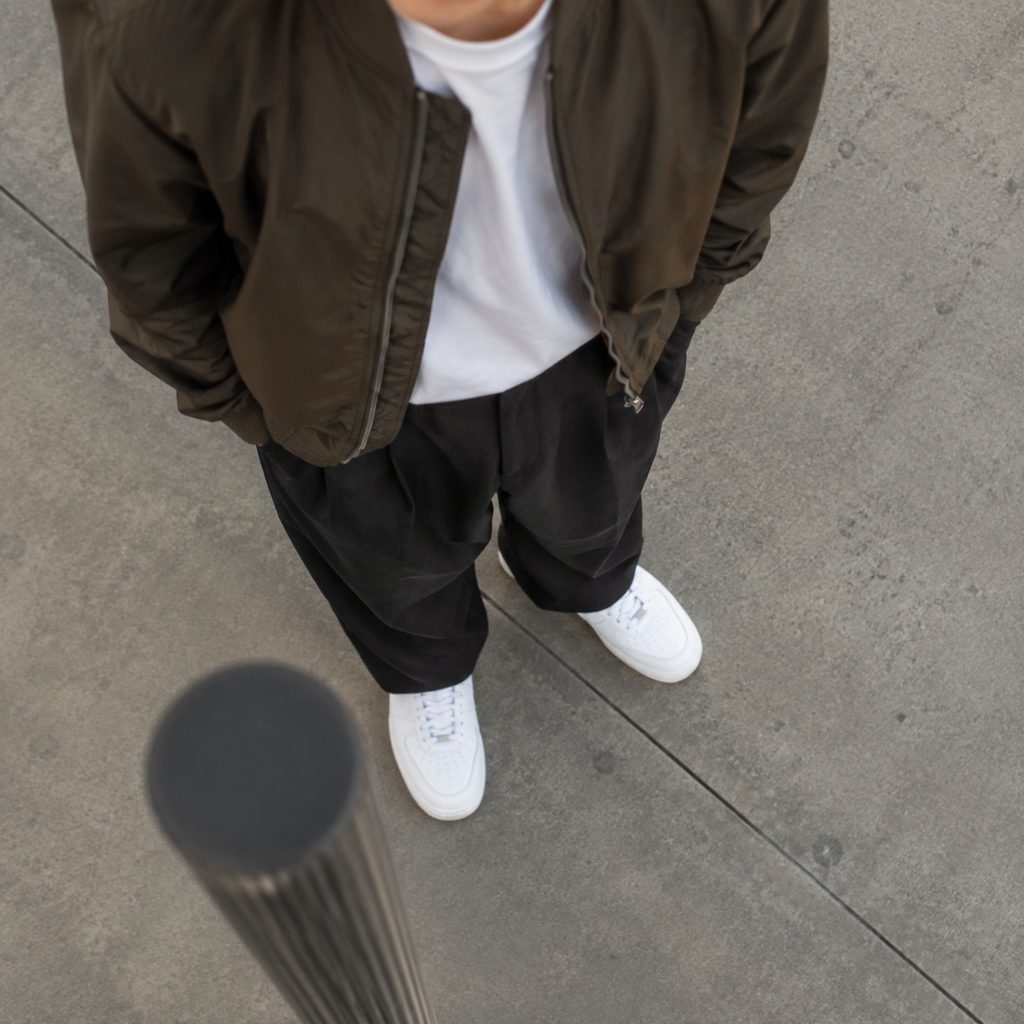
Upload a full-body outfit photo taken at eye level on a plain street. The camera sinks toward the pavement, the torso slides up and out, and the clip finishes level with the sneakers, ready for a close-up in a 9:16 outfit reel.
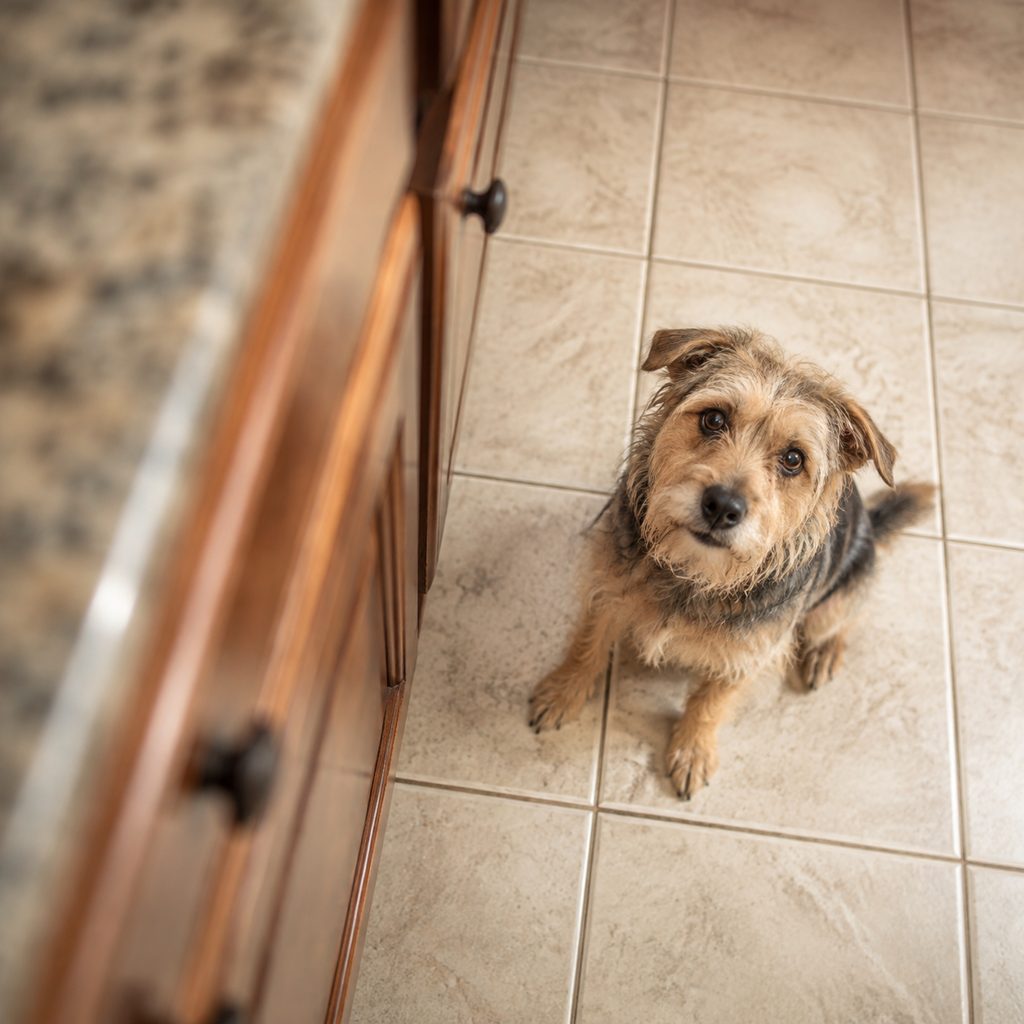
Down to the dog's eye line
Take one photo of a dog sitting on a kitchen floor from standing height. The vertical camera movement drops to the dog's level, the counter edge streaks upward past the lens, and the last frame meets the animal face to face on the tiles.

Settle onto the dinner table
Photograph a plated dish on a restaurant table from a seated diner's eye level. The camera lowers until the rim of the plate sits near the lens, glasses and candle slide upward, and the clip lands on a low, appetizing angle for a menu promo.
FAQ
Common questions
What is a pedestal down shot?+
This is a vertical camera movement in which the entire camera lowers on a straight line while the lens stays level and keeps its heading. The move changes the camera's height rather than its angle, so proportions shift naturally and the frame ends on a low viewpoint. The mirror move is pedestal up.
How is this move different from tilt down?+
Tilt down rotates the lens toward the floor from a fixed height, which bends perspective and drags the horizon up and out of frame. This move keeps the lens level and physically lowers the camera, so verticals stay straight and the viewpoint simply descends. LazyKiwi offers Tilt Down as a separate template.
How does the template create the move from one photo?+
The template uses your uploaded photo as the first frame. The Seedance video model keeps the lens level and the framing direction fixed, lowers the camera position along a vertical path, lets subject proportions change naturally, and finishes on a low camera position. Everything is synthesized, so no rig is involved.
Which photos work best for a pedestal movement downward?+
Pick a sharp photo taken from eye level or above, with something worth reaching lower in the frame: shoes, a pet, a plate, a child or the base of a wall. A foreground edge such as a bench, counter or bollard makes the vertical parallax clear. Photos already shot from the floor leave no room to descend.
What does the output look like, and how long is the clip?+
The template returns a short clip built from your single still. Choose vertical 9:16 for Reels, TikTok and Shorts or landscape 16:9 for YouTube and restaurant websites. The clip ends on a stable low-angle frame, which is a convenient cut point for a detail insert or a caption.
When is this move the better choice over pedestal up?+
This move suits grounding and settling: coming down to a child's or pet's eye line, dropping to a product on a table, or ending a scene on a quiet low frame. The descent reads as calming or intimate. Pedestal Up reads as rising and reveal, so choose the direction that matches the emotional beat.
Other names for Pedestal Down
Studio and documentary crews use a few interchangeable names for this descent. Ped down is the standard call-out; boom down and column drop appear in jib and studio-pedestal contexts, and gimbal shooters may say vertical slide down. Wider terms such as vertical camera movement and pedestal movement cover both directions. Whichever term you search, this template makes the descent from one uploaded photo without a column or jib.
Lower the camera to a new angle from one still
Sign up, get free credits, and test the descent on your own photo.