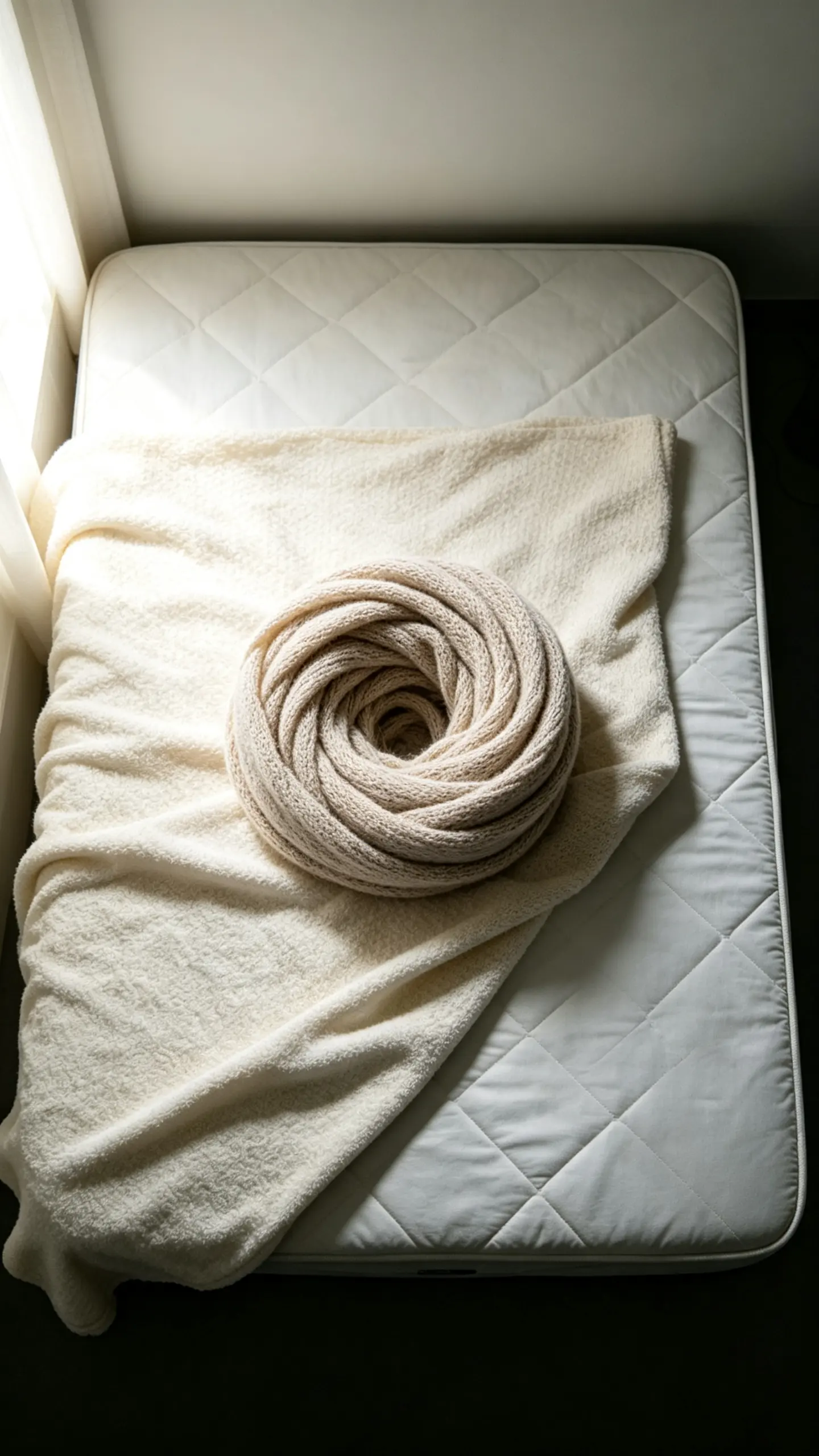
Pet Portrait
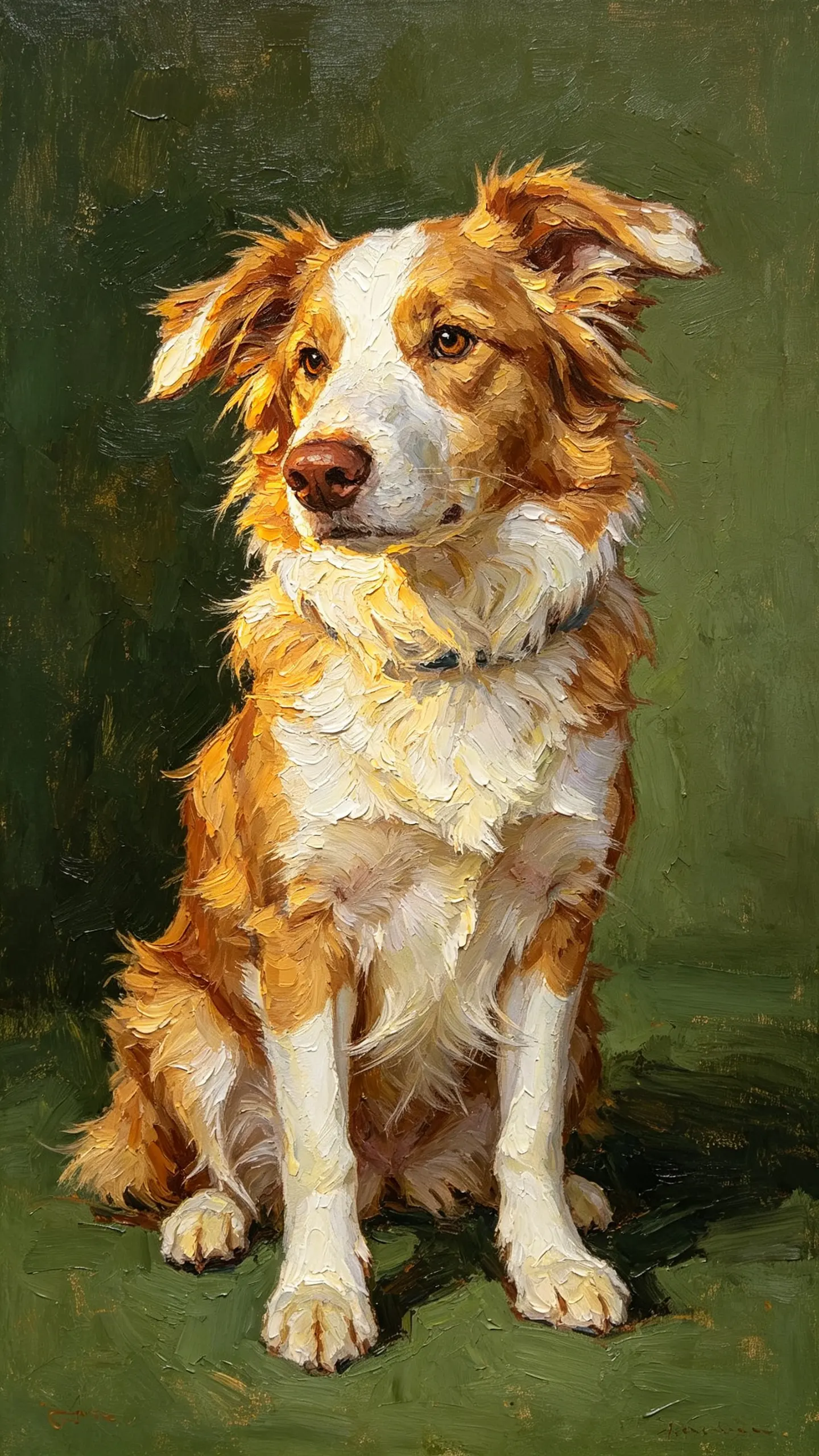
A pet portrait is a photograph turned into a painted, drawn or graphic likeness of one animal. Upload a single picture of your dog or cat and this template renders it in twelve of them, from oil on canvas through graphite and single-weight line art to the royal coat and epaulettes.
Pet Portrait Template
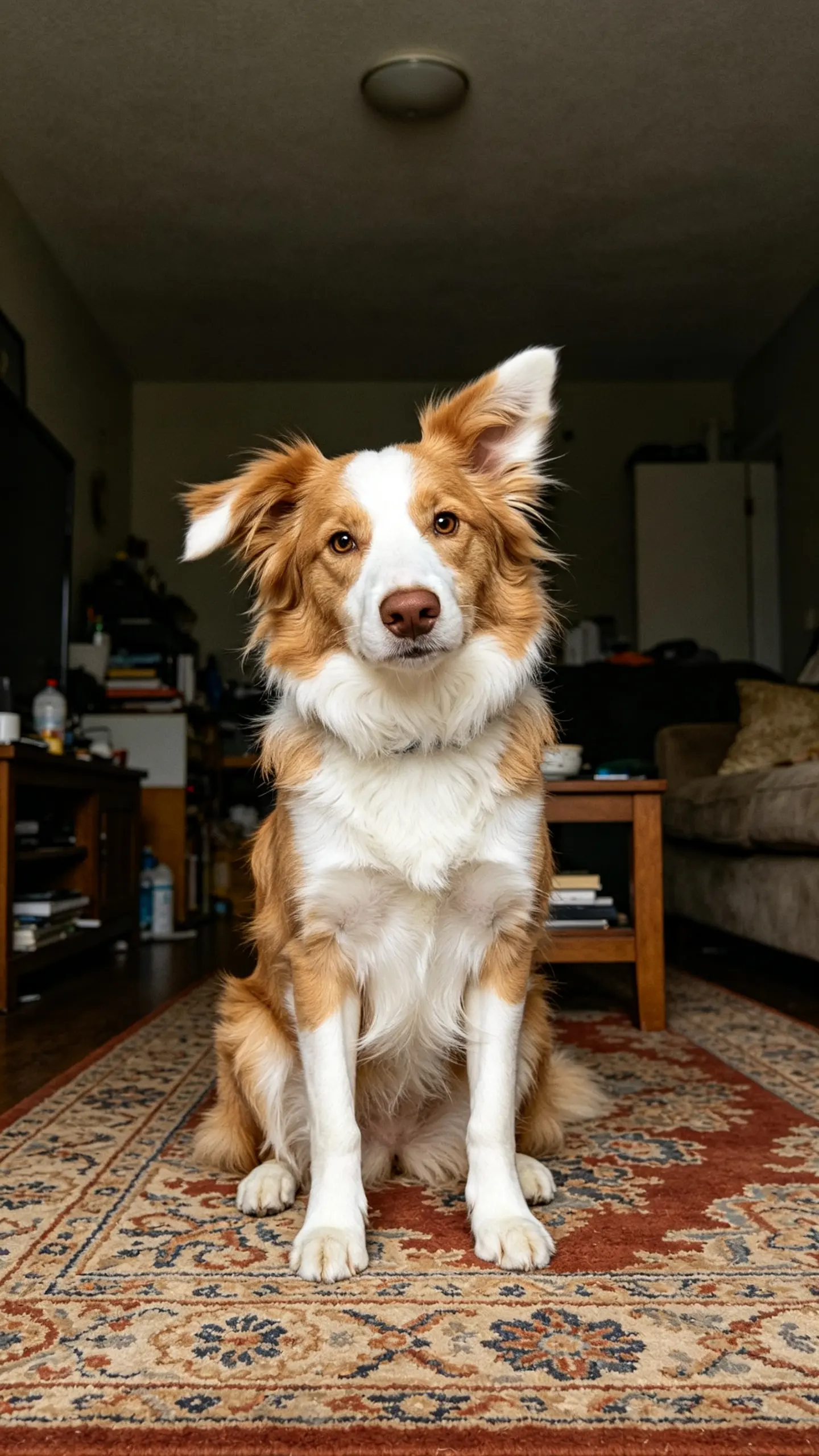
Upload one photo taken at the animal's eye level, with the face sharp and the ears and muzzle clearly separated from the background. Shade or open window light beats direct flash for every coat color and particularly for black ones.
WHAT IT IS
Twelve styles, and which animal each one suits
Pet Portrait renders one uploaded photo of a dog, cat or other animal as a portrait in twelve treatments: oil on canvas, watercolour, graphite pencil, single-weight line art, the royal coat with epaulettes and a velvet backdrop, pop art in flat blocks, low-poly geometry, ink wash, pastel, a flat vector head, a photographic studio portrait on plain studio paper, and an abstract color-field reading of the animal's shape. The style is not a matter of taste alone, because coat and face decide a lot of it. Long-haired breeds carry watercolour and ink wash well, since a soft edge is the point rather than a problem. Short flat-faced breeds do better in graphite and line art, which describe structure instead of texture. And there is one honest limitation to state plainly: the heavier the paint, the more the markings drift. Oil and impasto styles tidy an asymmetric blaze, soften a merle pattern and even out a white sock, because that is what those brushstrokes do. If your animal's markings are the reason you want the portrait, and for most owners they are, the photographic, graphite and line-art treatments hold them far more reliably. For an already-abstracted reading of the same photo, see Abstract Pet Painting; to appear in the frame alongside your animal, AI Pet Photo is the two-subject version; and for the gift and print workflow, Custom Pet Portrait picks up where this page ends.
- Eye level, not standing height
- The single difference between a snapshot and a portrait is the camera height. Photographed from above, an animal reads as a pet on a floor; photographed at its own eye level, it reads as a subject.
- Coat decides the style
- Long coats suit watercolour and ink wash, where a soft edge is intentional. Short and flat-faced breeds suit graphite and line art, which describe bone structure rather than fur.
- Markings survive some styles better
- Photographic, graphite and line-art treatments keep a blaze, a merle pattern or an odd white sock. Thick paint styles smooth them, because that is what heavy brushwork does to detail.
- One image, five ratios
- Output is a single still at 16:9, 9:16, 1:1, 4:3 or 3:4, with 1:1 as the default. Square suits an avatar, 4:3 and 3:4 suit a frame, and 16:9 leaves space beside the animal for a name.
USE CASES
Three reasons people want a portrait rather than a photo
In each of these the photograph already exists, and what is wanted is a picture that can be hung, sent or printed.
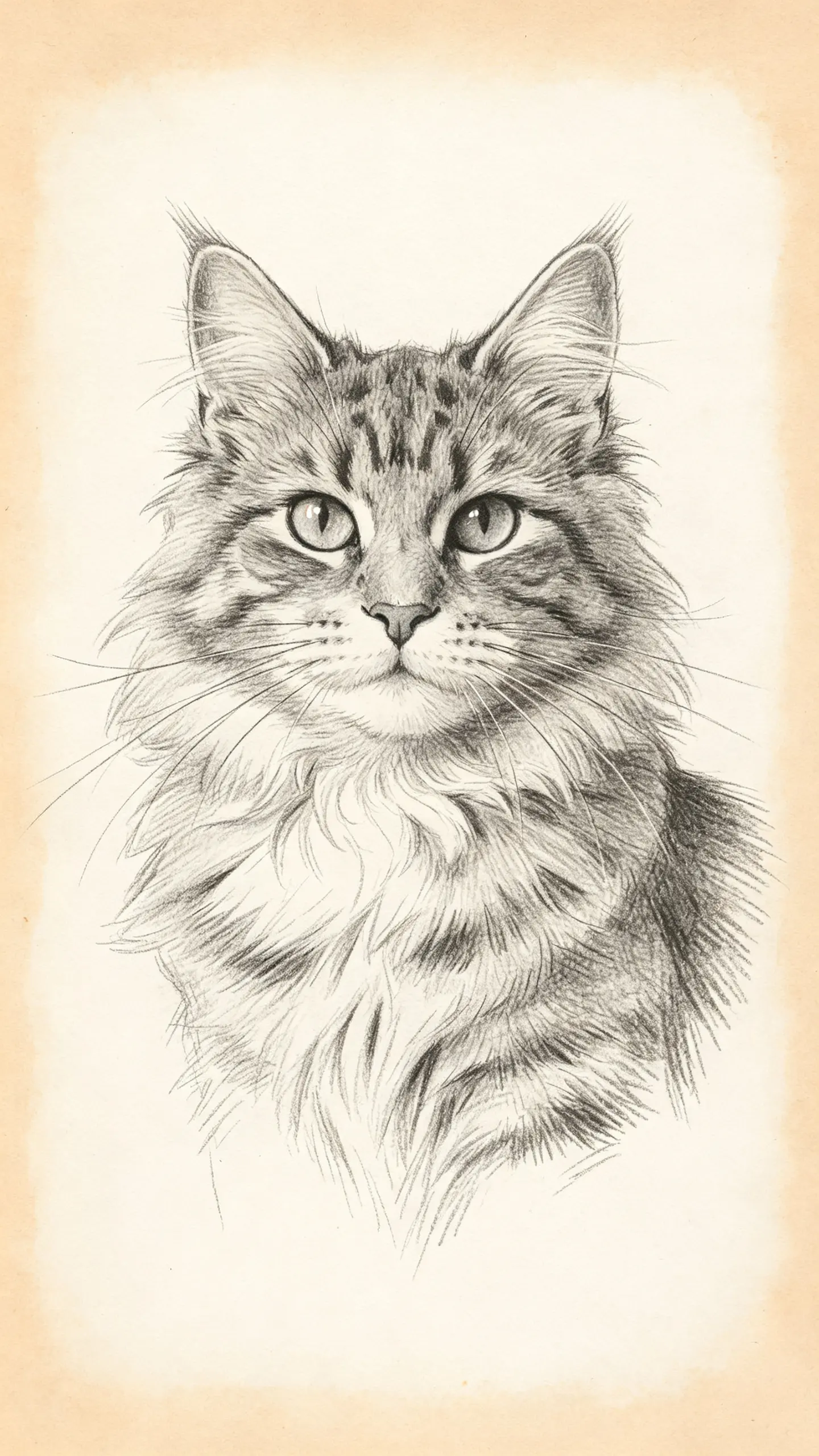
A cat who will not sit still for a camera
Cats give a photographer about four seconds. One usable frame taken in window light becomes a graphite portrait where the fur texture and whisker line are described rather than captured.
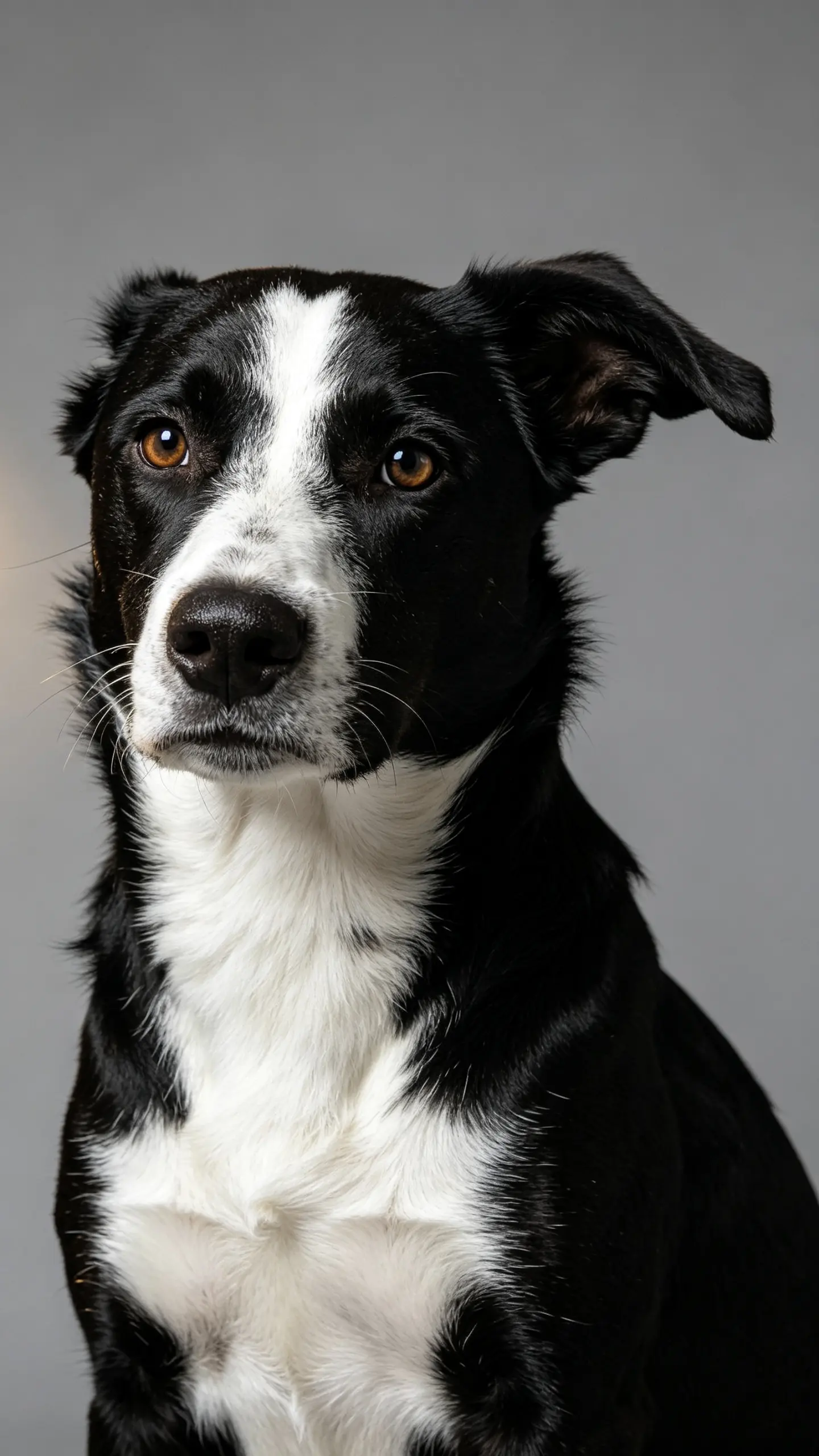
A dog with markings that make the picture
An owner wants the odd blaze and the mismatched ears kept exactly as they are. The photographic studio treatment and the line-art version both preserve them, where an oil render would quietly tidy the asymmetry away.
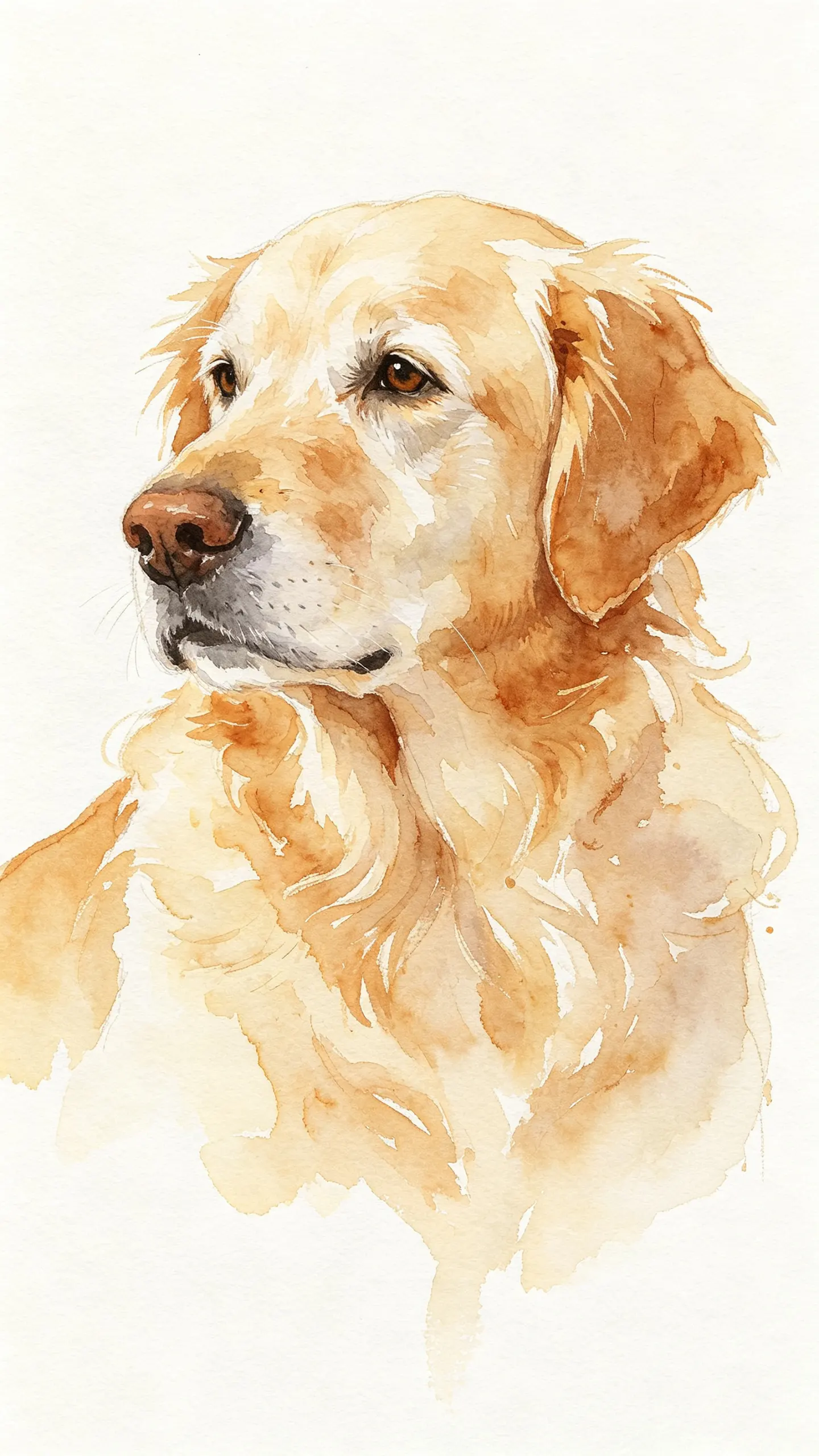
A portrait of an animal that has died
The photographs available are whatever exists, often a few phone pictures. A softer treatment such as watercolour or ink wash carries a low-resolution source better than a photographic style, which magnifies every compression artifact.
FAQ
Common questions
What is a pet portrait?+
A pet portrait is a picture of one animal treated as a portrait subject rather than as a snapshot: the head and chest fill the frame, the eyes are the sharpest thing in it, and the background is simplified so nothing competes with the face. Traditionally it was painted from a sitting or from photographs. The style can be anything from oil on canvas to a single-weight line drawing, and the format is the constant rather than the medium.
What styles of pet portrait are there?+
The twelve this template covers are oil on canvas, watercolour, graphite pencil, line art, the royal coat with epaulettes, pop art, low-poly geometry, ink wash, pastel, flat vector, a photographic studio portrait, and an abstract color-field version. Choosing between them is mostly a question of coat: long-haired animals suit the wet media where a soft edge is intentional, while short-haired and flat-faced breeds suit the drawn styles that describe structure instead of texture.
What photo of my pet works best?+
One taken at the animal's own eye level, in shade or open window light, with the ears and muzzle clearly separated from whatever is behind. Crouching down is the entire trick, because a photo taken from standing height foreshortens the muzzle and hides the eyes under the brow. Avoid direct flash, avoid a background the same tone as the coat, and pick a frame where at least one eye carries a catchlight.
Why do black dogs and cats photograph badly?+
Because black fur has very little tonal range in it, so a camera records the head as one flat shape with no muzzle, no brow and often no eyes. Photographers solve this with edge light rather than more light: put the animal in open shade with a bright sky behind, or beside a window rather than facing it, so a rim of light describes the outline. Direct flash does the opposite and flattens the coat further.
Will my pet's markings be accurate?+
In the photographic, graphite and line-art styles, largely yes. In the heavy paint styles, less so: oil and impasto renders tend to even out an asymmetric blaze, simplify a merle or brindle pattern and regularise white socks, because thick brushwork generalises detail by nature. If the markings are the point of the portrait, generate a photographic or drawn version first and treat the painted ones as a stylistic alternative rather than a record.
How is this different from a custom pet portrait?+
This page is about choosing a style and understanding which suits your animal. Custom Pet Portrait is the version aimed at producing something to give away or hang: it covers commissioning language, print sizes, the resolution a framed print actually needs, and the ratio to generate at so nothing is cropped off at the framer. Same engine, different question.
Other names for a pet portrait
The phrasing shifts with intent. Pet portrait and pet portraits are the browsing forms, usually someone deciding what they want. Dog portrait and cat portrait narrow it by species and often by style, since the two animals suit different media. Pet painting and pet portrait painting mean the painted treatments specifically, while ai pet portrait and pet portrait generator come from people who already know the image will be generated rather than commissioned.
One photo, twelve ways to hang it
Oil, watercolour, graphite, line art and eight more, rendered from a single picture of your animal.