Chase Shot (Chase Scene Camera)
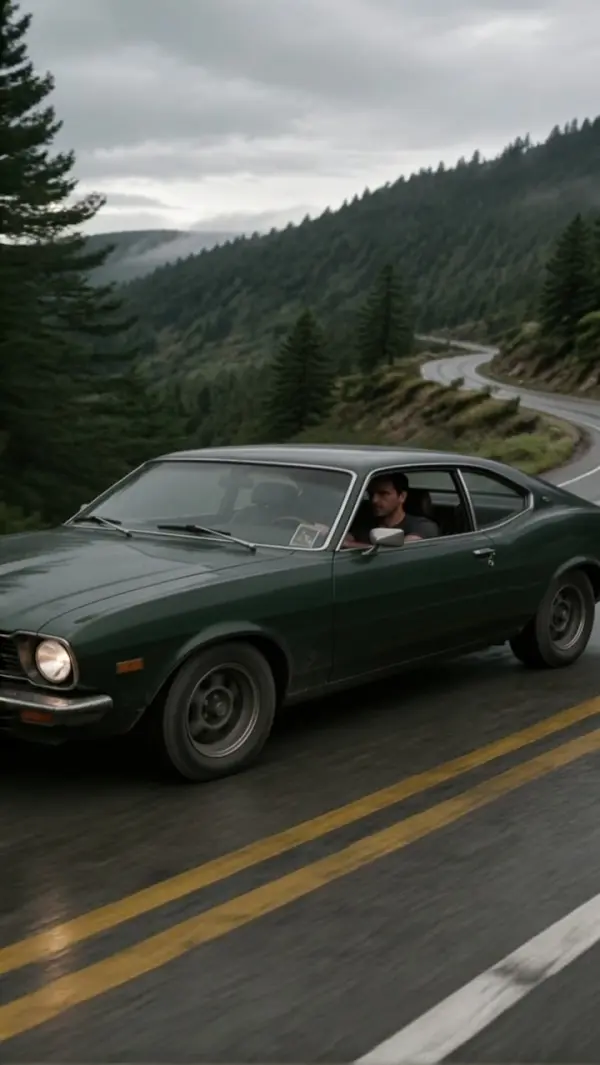
Chase Shot turns one photo into a pursuit clip: a fast camera pursues the moving subject at close range, reframing with energy and a touch of handheld shake while the subject stays recognizable and the action continuous. Upload a single still and get a short vertical or landscape clip, no runner, no gimbal.
Chase Shot Template
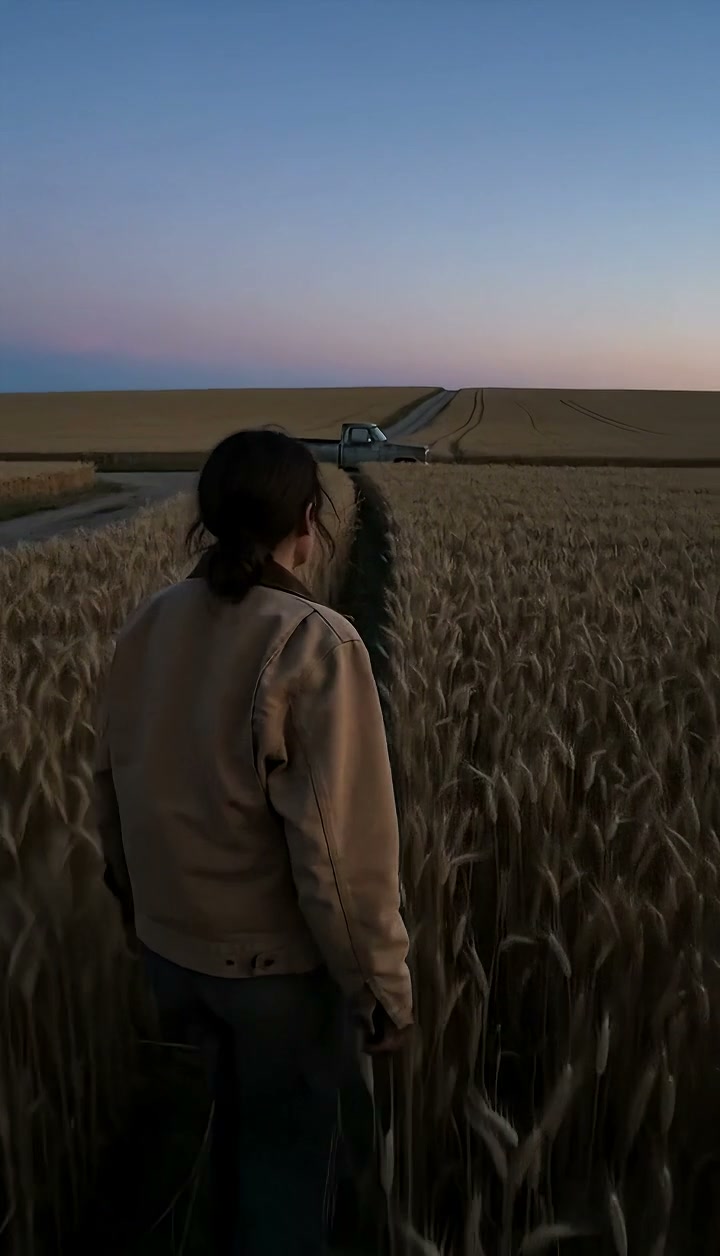
Upload one photo of a subject clearly in motion, with the direction of travel obvious and space ahead of them.
WHAT IT IS
What a chase shot is, and how the template builds a chase scene from one photo
A chase shot is a pursuing camera move in which the operator runs with or behind a moving subject, keeping close, reframing on the fly and letting a controlled amount of handheld shake into the image. In a chase scene it is the shot that makes the audience feel they are running too. The Chase Shot template generates that pursuit from a single uploaded photo. The engine sends the virtual camera after the subject at speed and close distance, allows energetic re-framing and moderate handheld movement, and holds two rules the whole time: the subject must stay identifiable, and the action must stay continuous with no jumps. Your subject's face, clothing and build stay as they are in the still. The surroundings blur and slide past at running pace. Output is a short clip, vertical or landscape, rendered on the Seedance video model with no operator, no rig and no second take.
- Close pursuit
- The camera stays tight on the subject and keeps up with them, the way an operator sprinting three steps behind would. Distance stays short, so the subject fills the frame for the whole clip.
- Energetic reframing
- Unlike a smooth tracking shot, the framing is allowed to shift: the subject can drift toward an edge and get pulled back to center. Those corrections are what make a pursuit feel live.
- Shake, but not soup
- Handheld movement is moderate by design. The template adds enough jolt to read as running, and stops short of the shaky mess that hides the subject and makes phone viewers seasick.
- Subject stays readable
- Two hard rules sit in the generation instruction: the subject must remain identifiable and the action must remain continuous. The face and outfit hold; the world around them is what races.
USE CASES
Three chases you can cut from a single frame
Sports, family and film situations where a pursuing camera turns a still into tension.
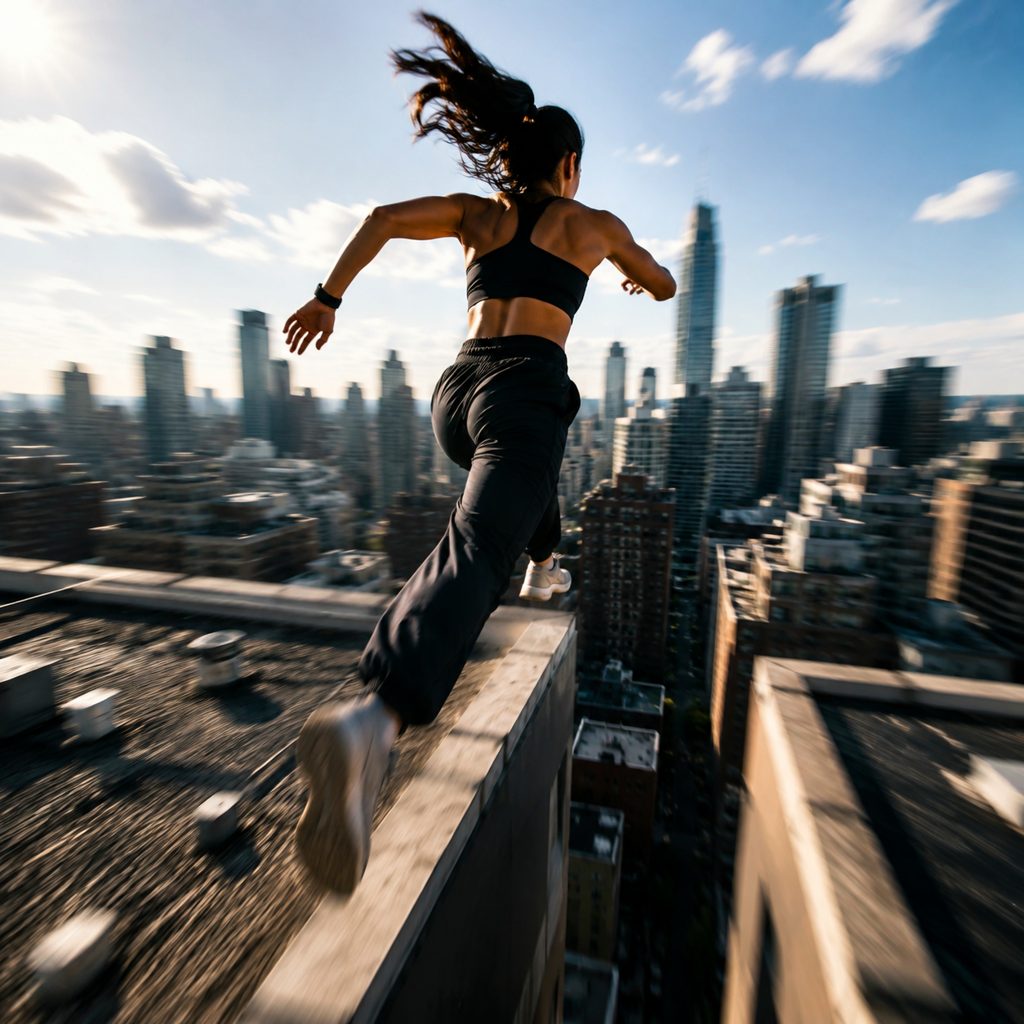
Parkour run across rooftops
A photo of a traceur mid-leap between two rooftop ledges becomes a pursuit that hurls after them across gravel and vents. The runner holds center as the skyline whips by, cut into a 9:16 TikTok with the landing on the beat.
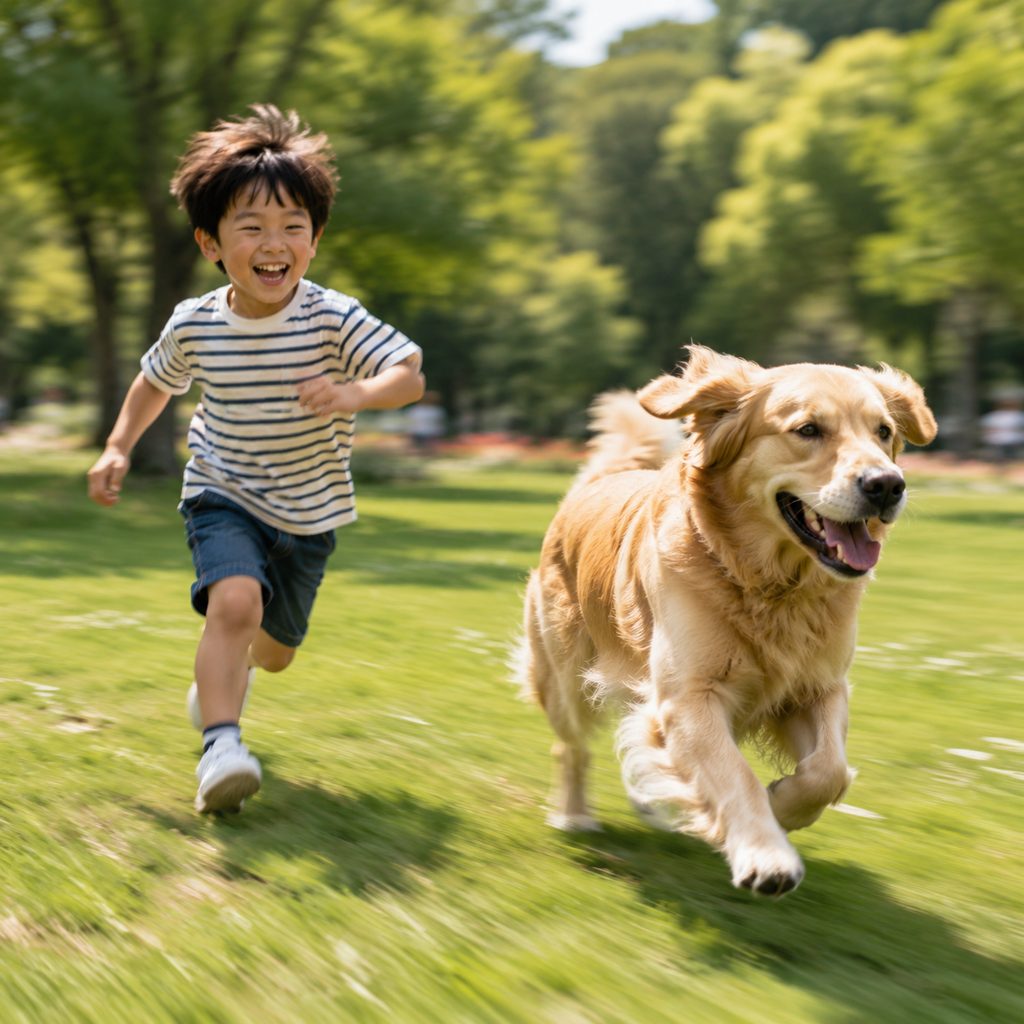
Kid and dog across the park
One snapshot of a six-year-old sprinting after a golden retriever on a lawn turns into a pursuing camera at child height. Grass streaks past, the dog stays a step ahead, and the clip anchors a family highlight Reel.
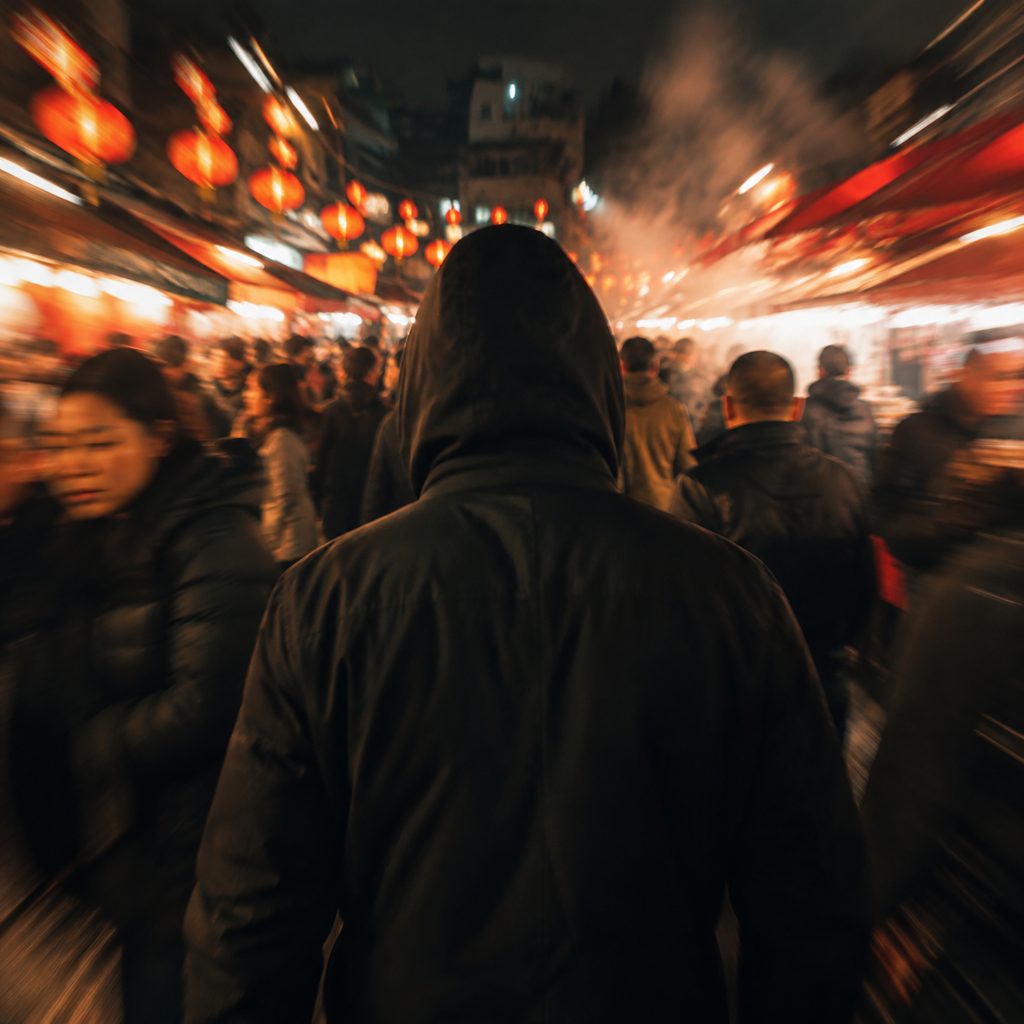
Night market pursuit for a short film
A frame of a hooded character pushing through a crowded night market becomes a pursuit clip: lanterns smear into streaks, stall awnings slip past, and the character stays sharp in center frame for a 16:9 teaser.
FAQ
Common questions
What is a chase scene shot?+
A chase scene shot is a camera move that pursues a moving subject at close range, keeping pace with them while reframing quickly and letting some handheld shake into the picture. Films use the move so the audience feels physically inside the pursuit. Operators shoot it running with a gimbal or shoulder rig.
Chase scene vs tracking shot: which one do I need?+
A tracking shot keeps a steady distance and a smooth path, so the subject looks composed. A pursuit closes the distance, moves faster and allows visible reframing and shake. For calm, use Low Tracking or Vehicle Tracking; for urgency, this is the template.
What photo works best for Chase Shot?+
Choose a photo where the subject is clearly mid-motion, running, riding or lunging, with the direction of travel obvious and open space ahead of them. A visible face or distinctive outfit helps the engine keep the subject identifiable. Busy backgrounds are fine; the camera is meant to blur them.
What length and aspect ratio does the template output?+
The template delivers a short clip from a single uploaded frame, in vertical or landscape output depending on the workbench setting. The clip is continuous from first frame to last with no internal cuts, and the subject stays recognizable throughout, so the clip drops into an edit without a bridging shot.
Will the subject still be recognizable with all that camera movement?+
Yes. The generation instruction requires the subject to remain identifiable and the action to stay continuous, even with moderate handheld shake and quick reframes. The engine keeps the face, build and clothing consistent while the background carries the motion blur.
Where does a chase scene video work on social platforms?+
On 9:16 TikTok and Reels a chase clip is a strong first two seconds, especially cut on the beat. On 16:9 YouTube the move opens action, parkour and sports edits. Short-film teasers use the move to promise tension without giving away plot.
Do I need a runner with a gimbal or a chase vehicle?+
No. The template generates the pursuit from one uploaded photo using image-to-video generation. There is no operator to run, no gimbal to balance and no vehicle to rig. Upload the photo, pick the template, generate, and download the finished clip from the workbench.
Other names for Chase Shot
This shot goes by many names depending on who is describing it. Editors say chase scene, chase camera shot or pursuit shot; camera operators say running follow or follow cam; gimbal users call it a fast follow. Some searches append generator or video maker to the phrase. Whatever the label, the shot is a close, fast camera following a moving subject, and this LazyKiwi template makes it from one uploaded photo.
Send the camera running after your subject
Free credits on signup. One photo in, one chase clip out.