
Run It Through The Tape
The VHS filter puts your clip through the artifacts of a worn cassette: soft luma, red bleeding past its edges, a wobble across the top of the frame, tracking noise drifting up the picture and a camcorder date stamp in the corner. Upload a photo or start from a prompt and the clip arrives already degraded.
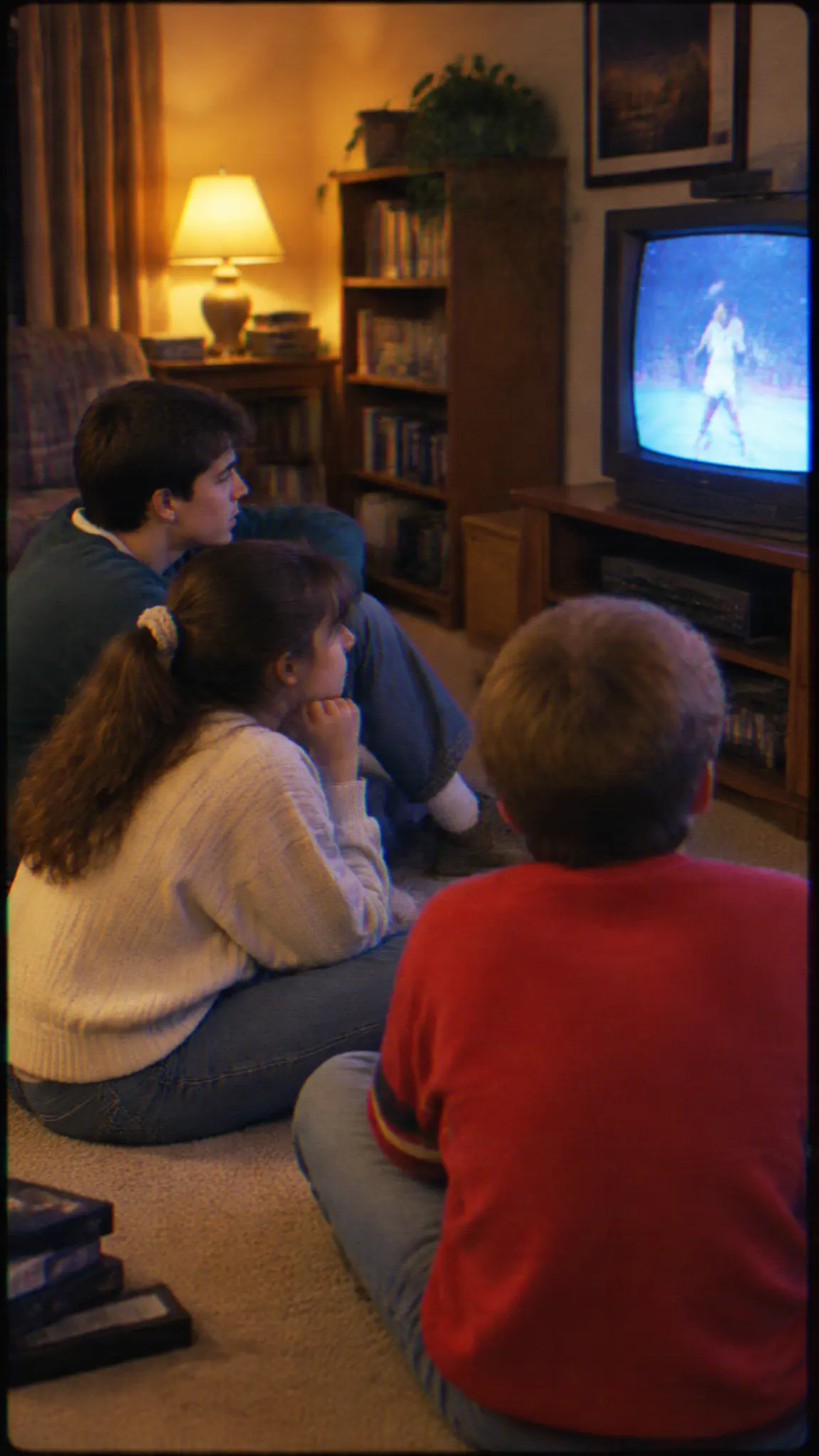
VHS Filter Template
Upload a photo shot in warm indoor light, a room, a party, a car interior. Tungsten light and mid shots take the filter best; flat daylight portraits give it the least to work with.
WHAT IT IS
Applying the look, and choosing what to apply it to
A VHS filter is not one effect but a stack, and the order matters. Luma resolution drops first, which is why tape footage is soft before it is noisy. Chroma follows: color was recorded at a fraction of the detail of brightness, so saturated reds smear sideways past their edges, and a red jumper is the fastest test of whether a filter is doing the real thing or just adding scan lines. Then come the mechanical faults, a time-base wobble along the top of the frame, tracking noise crawling upward, the head-switching band across the bottom few scan lines, and occasional white dropout streaks. Choosing the source is half the job. Warm indoor light, mid shots and a bit of clutter suit the look because tape had a narrow contrast range and lifted blacks; clean daylight portraits with digital blacks fight it. If your delivery is vertical, put a 4:3 window inside the 9:16 frame rather than stretching the picture, since a 4:3 shape is doing as much work as the noise is. One practical warning: the filter destroys fine detail by design, so any text you actually need read, a handle, a price, a caption, should be added afterwards with Add Text to Video, not baked in before. The date stamp is the exception, because it is meant to look burned in. This page is about applying the look; for what the artifacts are and how the aesthetic came to exist, see VHS Effect. To push an existing clip of your own through a look rather than generating a new one, Video to Video is the tool for that. LazyKiwi is not affiliated with CapCut or any editing app named in these searches.
- Chroma bleed is the tell
- Color carried far less detail than brightness on tape, so reds and deep blues smear past their edges. A filter that only adds scan lines and grain is missing the artifact that most says cassette.
- Source choice does half the work
- Tungsten light, interiors, mid shots and a slightly cluttered frame carry the look. Bright daylight portraits with clean blacks resist it, because a narrow contrast range and lifted shadows are part of the signature.
- Keep a 4:3 shape
- For a vertical post, letterbox a 4:3 window inside the 9:16 frame instead of stretching the image. The aspect ratio reads as period as strongly as the noise does, and stretching gives the trick away.
- Add legible text after, not before
- The filter is built to degrade fine detail, so a handle or a caption baked in beforehand comes out mushy. Put the date stamp in the generation and everything you need read on top of the finished clip.
USE CASES
Where the tape look actually earns the post
Three jobs where a VHS filter is doing something beyond decoration.

Nostalgia posts and throwback edits
A recent photo passed through the filter reads as a home video from twenty years ago, which is the entire joke and the entire appeal. Short clips work best: tracking noise stops being charming after about ten seconds.
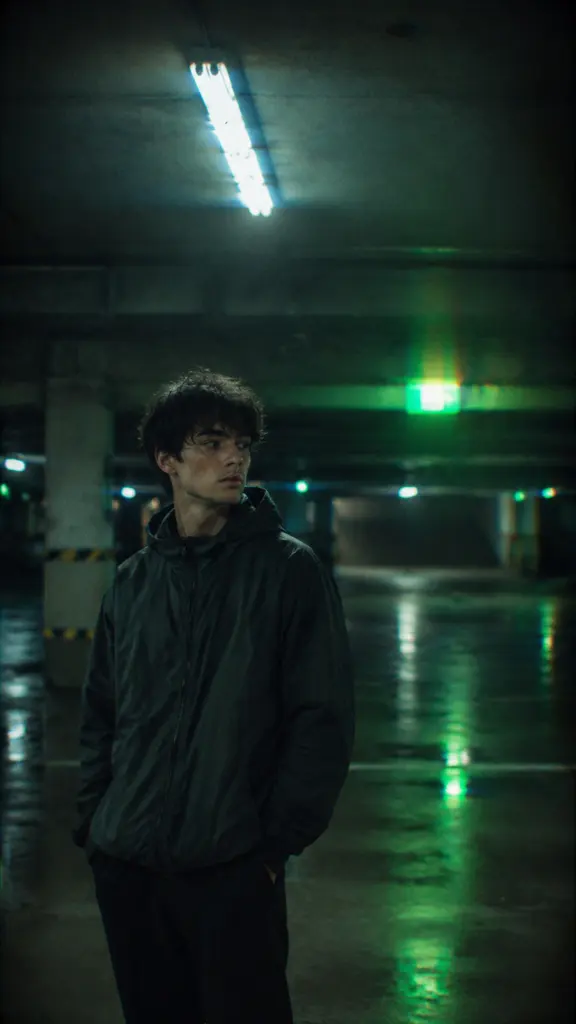
Music and fashion drops with a period identity
A release wants a nineties camcorder identity across every asset. Running the same filter over teaser clips, cover crops and the announcement post keeps the campaign consistent without hiring a colorist.
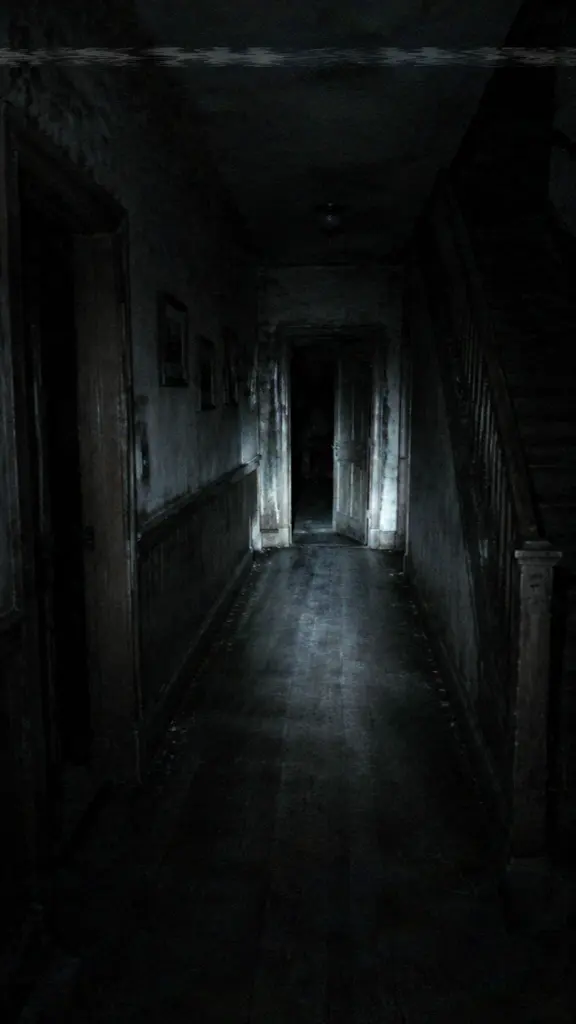
Found-footage and horror openers
Degraded picture implies a recording someone left behind, which is why the format is a horror staple. Dropout streaks and a wobbling top edge do more for tension in three seconds than any color grade.
FAQ
Common questions
How do I add a VHS filter to a video?+
Upload a still or start from a prompt in this template and the clip is generated with the tape artifacts already applied: soft luma, chroma bleed, tracking noise, a wobbling top edge and a date stamp. To push footage you already shot through a look instead, use Video to Video.
How do I get a VHS filter in CapCut?+
CapCut ships retro presets under its video effects, and stacking a grain and a glitch preset gets you partway there. LazyKiwi is not affiliated with CapCut; the difference is that a generated clip carries the artifacts through the whole picture rather than as a layer over the top, so the softness and the color smear match.
What length and resolution do I get?+
Runs land at 5 or 10 seconds at 720p or 1080p in 16:9, 9:16 or 1:1. Ten seconds is usually the ceiling for the look: tracking noise reads as texture for a few seconds and as a fault after that, which is why period edits cut so quickly.
Should I export in 4:3 or 9:16?+
Generate at your delivery ratio and letterbox a 4:3 window inside it if you are posting vertically. Stretching a 4:3 image to fill a 9:16 frame distorts faces and removes the shape that signals period, which does more damage than any amount of noise repairs.
Can I put the filter on a photo rather than a video?+
Yes, and it is the most common way it is used here: the photo becomes the starting frame, and the output is a short clip with the tape artifacts moving, which still works. A single degraded frame from that clip can be pulled as a still if you want a photo version.
What does the VHS filter handle badly?+
Anything that has to stay legible. Small text, logos, screen content and fine patterns are exactly what the effect is designed to destroy, so add captions afterwards. Bright, high-contrast daylight footage also resists the look, because lifted blacks and a narrow range are part of the signature.
Other names for the VHS filter
The same look is searched as a VHS filter, a retro video filter, an old camcorder filter or a 90s filter, and sometimes as a VCR filter by people describing the machine rather than the tape. A closely related set of searches asks for the VHS effect, which is the same artifact family approached from the other direction: what it is made of rather than how to apply it.
Put the clip on tape
Tracking noise, chroma bleed and a camcorder date stamp, generated with the shot.