Push Past Shot
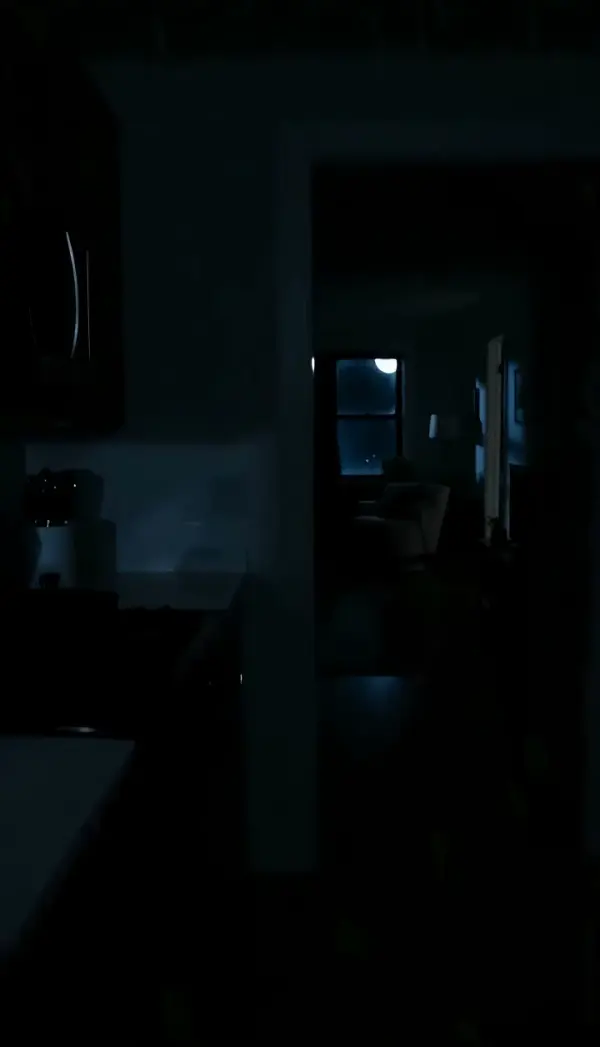
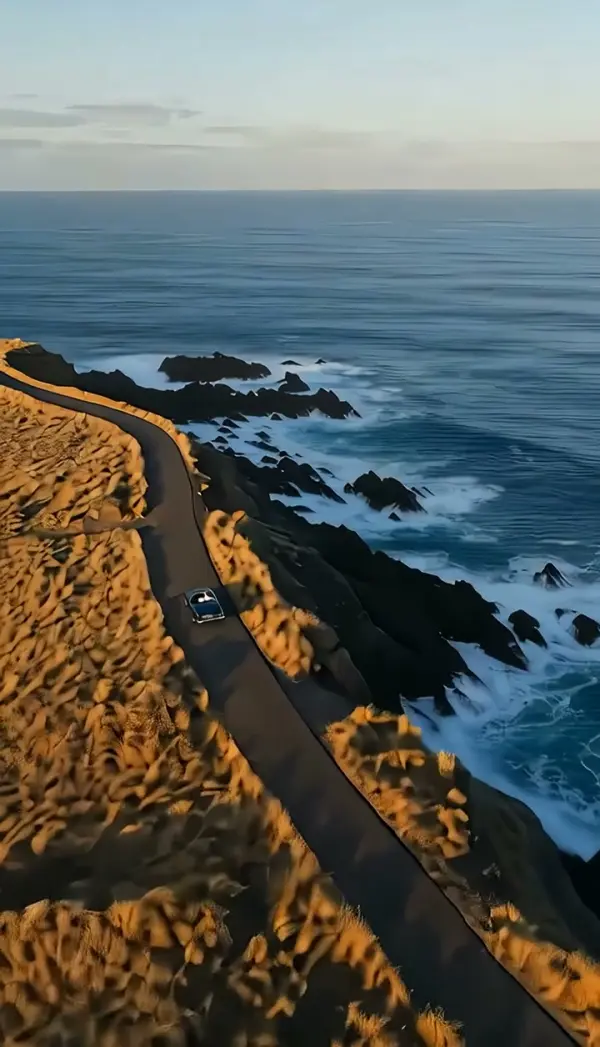
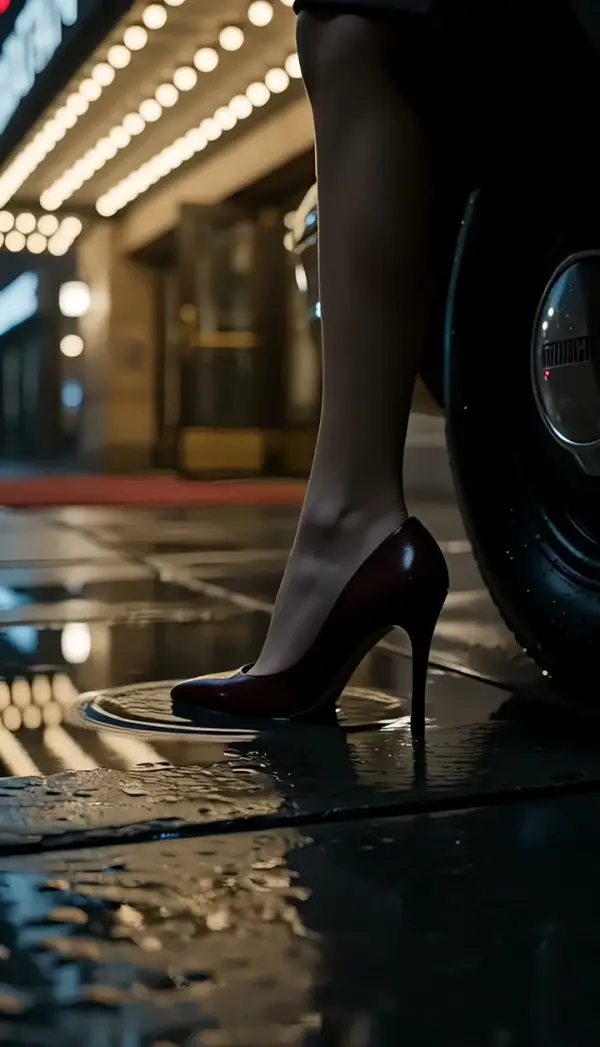
Push Past Shot drives the camera forward and close past a foreground object, edge or opening so the near element sweeps across the lens, then reveals the space behind and settles into a new composition. Upload one photo and LazyKiwi generates the pass-by as a short clip.
Push Past Shot Template
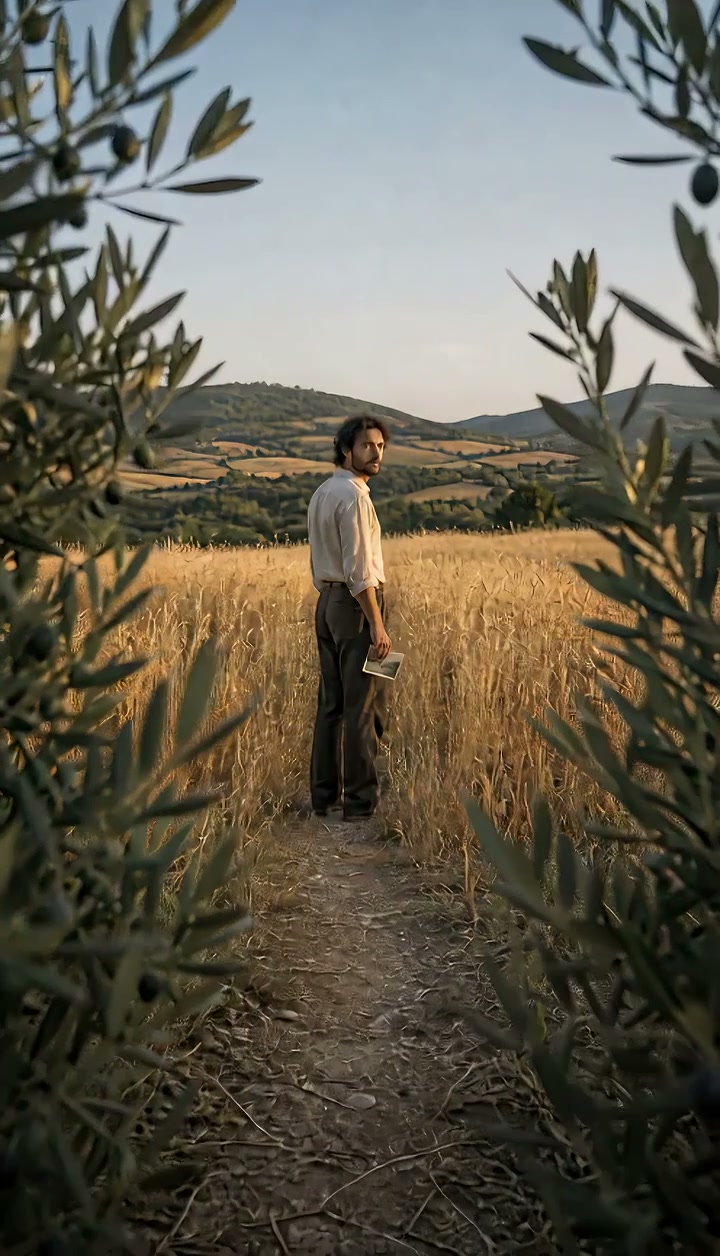
Upload one photo with a strong foreground element near an edge, such as a door frame, a pillar, a tree trunk or a person's shoulder, with open space visible beyond it.
WHAT IT IS
A forward pass-by that reveals the room beyond
Push Past Shot is a forward camera move in which the camera advances and brushes close past a foreground object, edge or opening, letting that element sweep across the lens before the space behind it opens into a new composition. The near element momentarily wipes part of the frame, so the reveal on the other side feels earned rather than cut to. LazyKiwi generates the pass by shot from one uploaded photo. The Seedance video model takes the still as the first frame, pushes the camera forward smoothly, carries the foreground past the lens, and lands on a fresh framing of what was behind it. The output is a short clip, vertical 9:16 for Reels and TikTok or landscape 16:9 for YouTube, made with no dolly, gimbal or crew.
- Foreground wipes the lens
- The door edge, pillar or shoulder passes so close that the near element blurs and briefly covers part of the frame. That built-in wipe is what makes a passing shot feel like crossing a real threshold.
- Forward, not sideways
- The camera advances along its own axis instead of trucking laterally. Objects grow as they approach and slide off the edges as the lens goes by, which reads as walking into the space.
- A reveal with two framings
- The clip begins on one composition and ends on another. The first framing is partly blocked by the foreground; the second is open. That change lets a single photo carry a beat of discovery.
- One still, no gimbal
- Threading a camera past an object without clipping the lens takes practice. The template synthesizes the entire push past as image-to-video from one photo, so a snapshot through a doorway becomes an entrance shot.
USE CASES
Entrances, thresholds and reveals
Use the pass-by wherever a viewer should feel they have stepped through something to arrive somewhere.
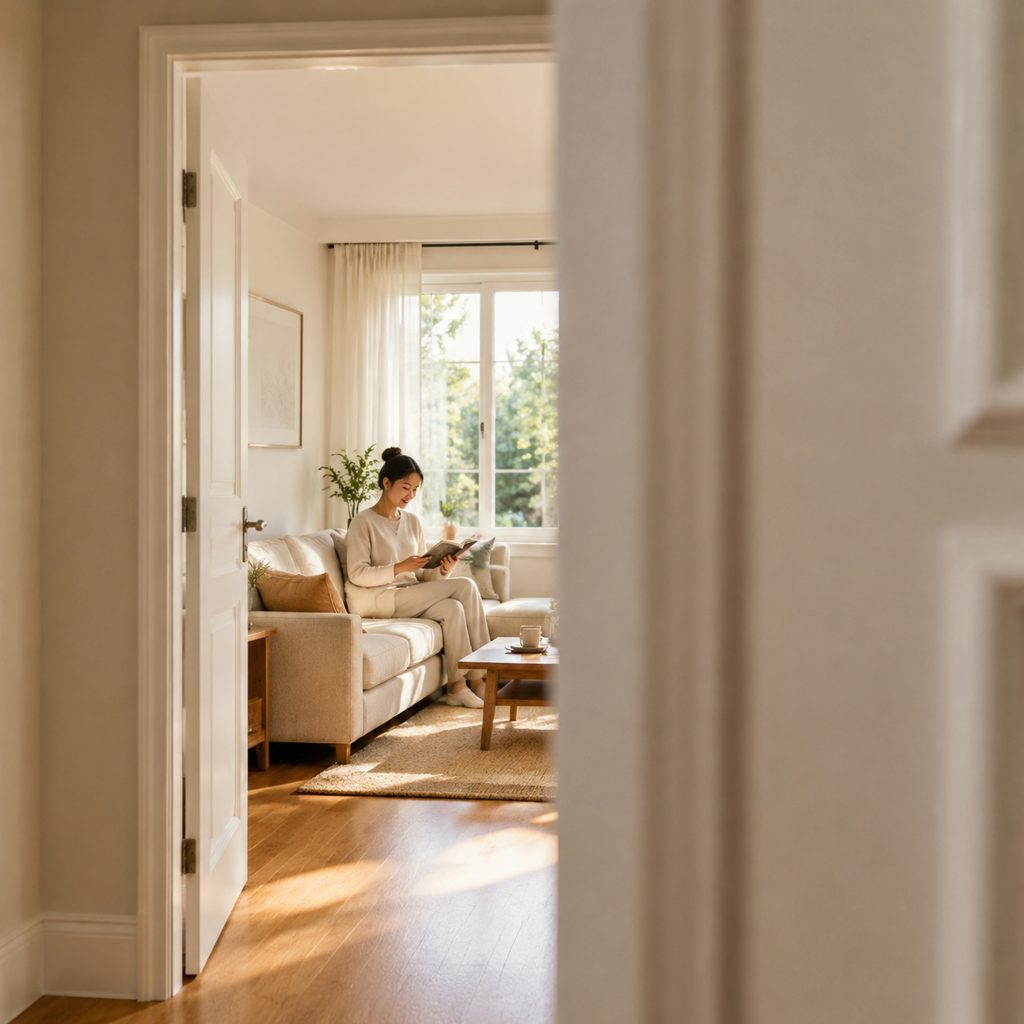
Through the doorway into the listing
Upload a photo taken from a hallway looking through an open door into a living room. The camera advances, the door jamb sweeps off the edge of frame, and the 16:9 clip opens onto the full room the way a buyer would walk in.

Past the tree to the picnic
Photograph a family on a blanket with a tree trunk close to the lens on one side. The camera pushes forward, the bark passes as a soft blur, and the clip lands on the group in a 9:16 frame that feels like arriving at the park.
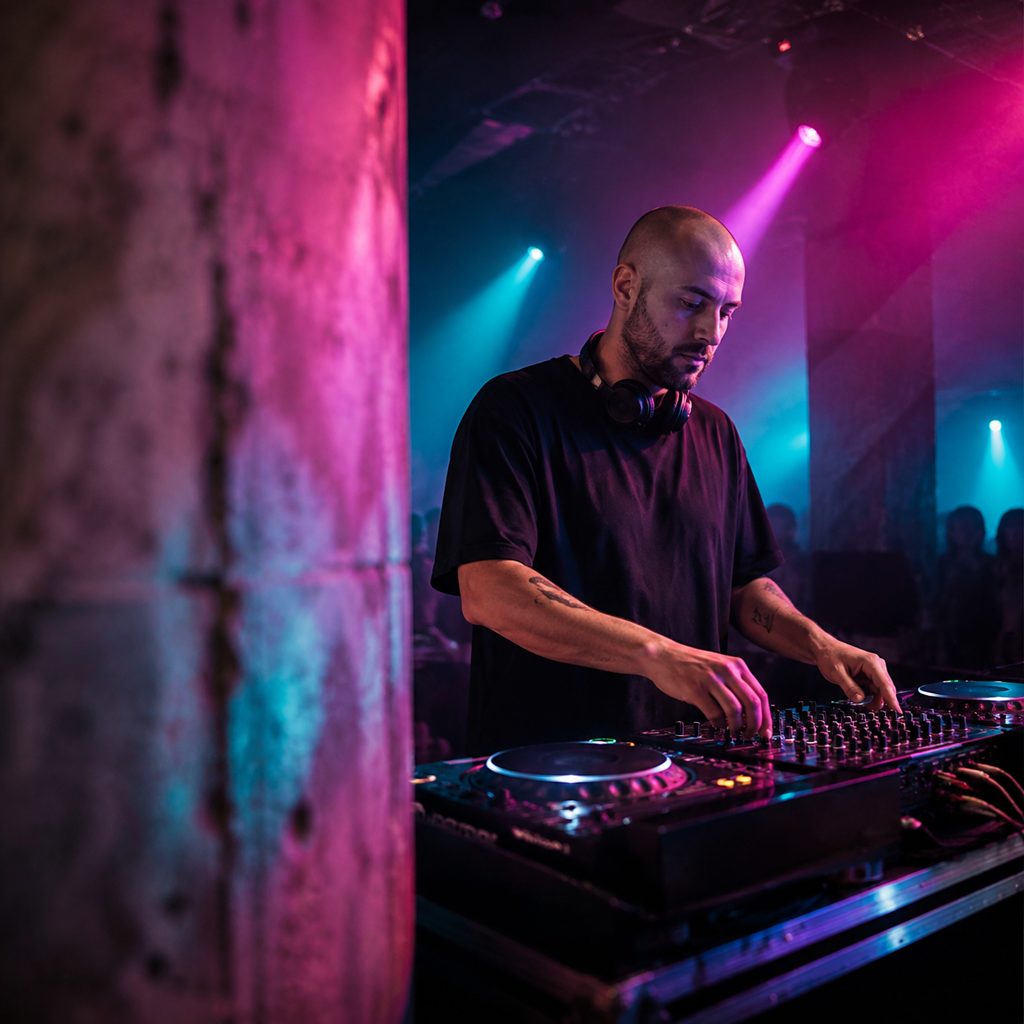
Around the pillar to the DJ
Take one photo of a DJ booth with a concrete pillar or speaker stack in the near foreground. The camera glides forward, the pillar sweeps across, and the booth fills the frame under the lights, a reveal that works as a club promo opener.
FAQ
Common questions
What is a push past shot?+
This is a forward camera move in which the camera advances and passes close by a foreground object, edge or opening, letting that element sweep across the lens before the space behind it is revealed in a new composition. Crew lists also call the move a pass by shot or a passing shot.
Push past vs dolly in: how do they differ?+
A dolly in moves the camera straight toward a subject and keeps that subject as the target the whole way. A push past uses a foreground object as a threshold: the camera goes forward, brushes past the object, and the framing changes to what lies beyond. LazyKiwi offers Dolly In as a separate template.
Can LazyKiwi make a pass by shot from one photo?+
Yes. The template generates the pass by shot as image-to-video from one uploaded still. The Seedance video model reads the photo as the first frame, pushes the camera forward smoothly, carries the foreground object past the lens, reveals the space behind it, and settles on a new composition. No dolly or gimbal is involved.
What photo works best for this move?+
Choose a photo with a clear foreground element near one edge and open space behind it: a door frame, an arch, a pillar, a tree trunk, a shelf end or a person's shoulder. The destination should be visible beyond the obstruction. A flat photo with nothing close to the lens gives the move nothing to pass.
What is the length and format of the clip?+
The template returns a short clip from your single photo. Vertical 9:16 fits Reels, TikTok and Shorts; landscape 16:9 fits YouTube, property listings and website headers. The clip ends on the revealed composition in a steady frame, which is a natural place to cut or to hold under a title.
Where should I use a passing shot in an edit?+
A passing shot works as an entrance: the first clip of a real estate tour in 16:9, the opening of a venue promo, or the transition from an exterior to an interior. On 9:16 platforms the foreground wipe doubles as a natural cut point between two locations.
Other names for Push Past Shot
This move collects names from different sets. Push past is the common call on narrative crews; pass by shot, passing shot and camera pass by show up in gimbal and drone tutorials; some operators call the move a threshold push, doorway push-through or foreground wipe. Searches like push past camera move, pass by shot example and push past effect in CapCut all describe the same forward pass that reveals the space beyond, which this template builds from one uploaded photo.
Push the camera past the doorway from one photo
Grab your free credits at signup and generate a pass-by reveal from a single still.