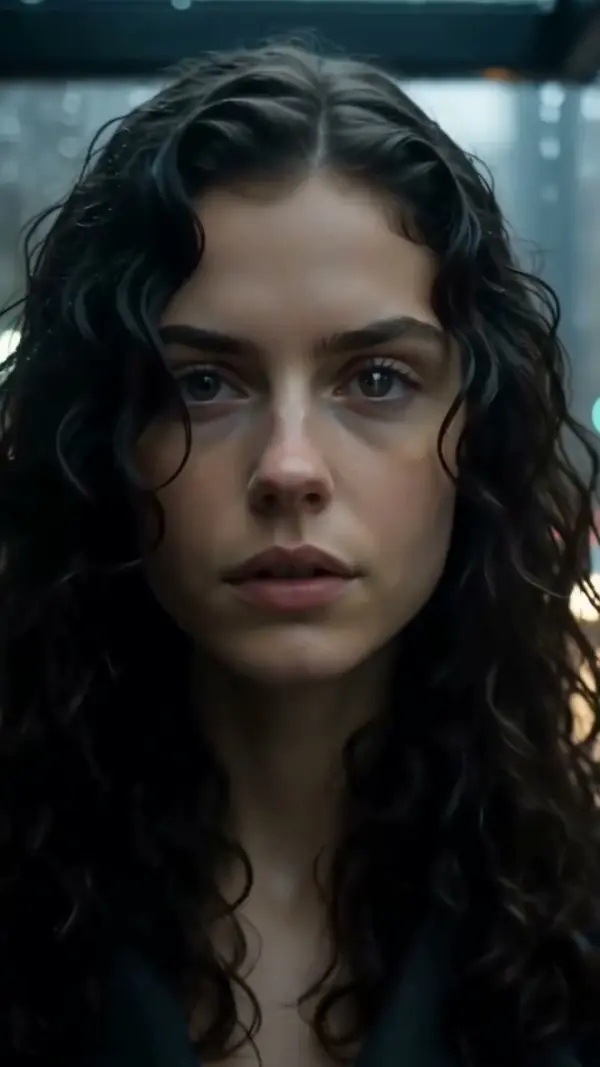
Low Tracking (low Angle Tracking Shot)
Low Tracking turns one still photo into a ground-hugging tracking shot: the camera sinks to ankle height and rolls alongside the subject, keeping feet, wheels or paws in frame while the road rushes past. Upload a single photo and get a short vertical or landscape clip, no slider or gimbal needed.
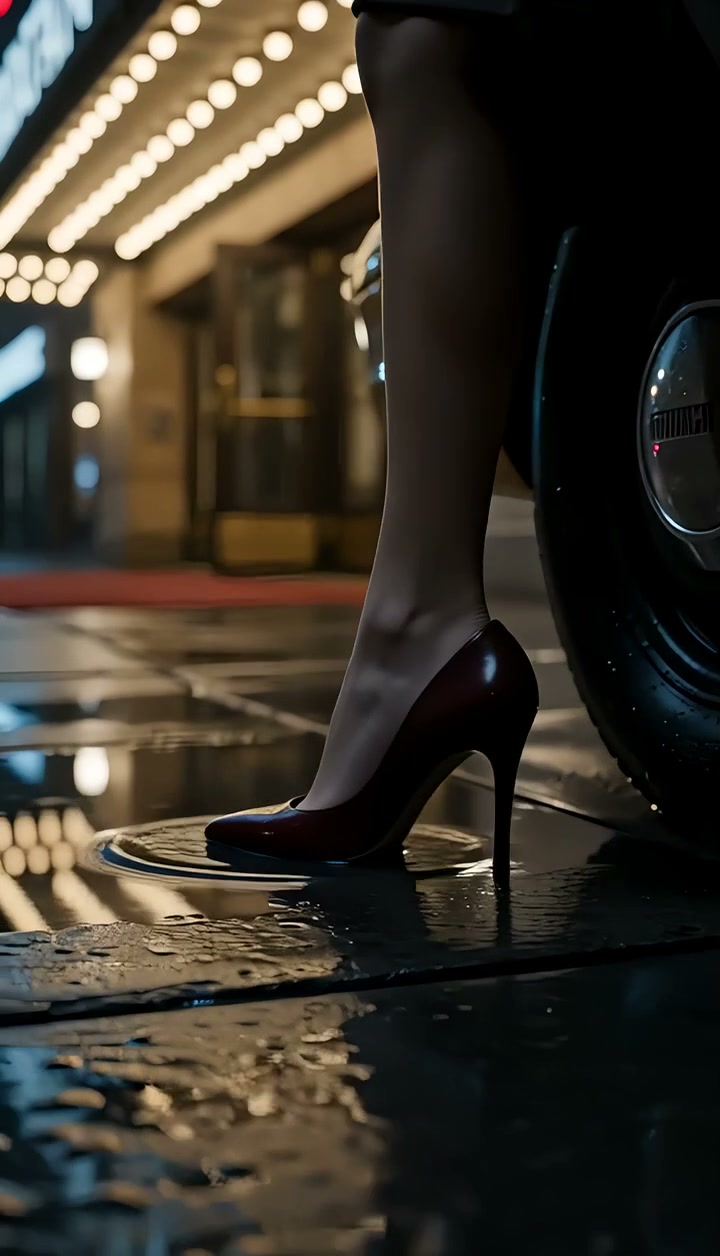
Low Tracking Template
Upload one photo of a subject in motion or about to move; a full-body or wheels-visible frame with clear ground ahead works best.
WHAT IT IS
What a low angle tracking shot does, and how Low Tracking fakes it from one photo
A low angle tracking shot is a moving camera shot filmed from ground or knee height that travels with the subject, so the viewer sees the ground streaming past while the feet, wheels or lower body stay in frame. On a set you would get this from a slider laid on the floor, a dolly in low mode or a gimbal held near the ground. The Low Tracking template reproduces the move from a single uploaded still: the engine lowers the virtual camera to ground level or below the waist, then tracks along the subject's path at the same pace, keeping the low viewpoint locked and the speed reading as natural walking, rolling or running. Your subject's identity, outfit and colors stay as they are in the upload; the world around the lower body sweeps backward with the motion. The output is a short clip, vertical or landscape, generated on the Seedance video model.
- Camera at ankle height
- The virtual lens sits at ground level or below the waist for the entire clip. It never drifts back up to eye level, which is the usual failure of a handheld attempt at a ground level tracking shot.
- Moves with the subject
- The camera tracks in sync along the subject's path, matching its pace so the feet or wheels hold a steady spot in frame while pavement, grass or floor streams past beneath them.
- Feet, wheels and paws
- The engine is told to prioritize footsteps, tires and ground-hugging detail. Laces, tread and dust kicked up by a shoe read large on a 9:16 phone screen when the camera is this low.
- One photo, no slider
- Everything comes from one uploaded still. No rig, no second operator crouching on the floor, no floor slider to level. Pick the template, upload, and the clip renders in the workbench.
USE CASES
Where the ground-hugging shot earns its place
Three situations where a camera at ankle height says more than a camera at eye level.
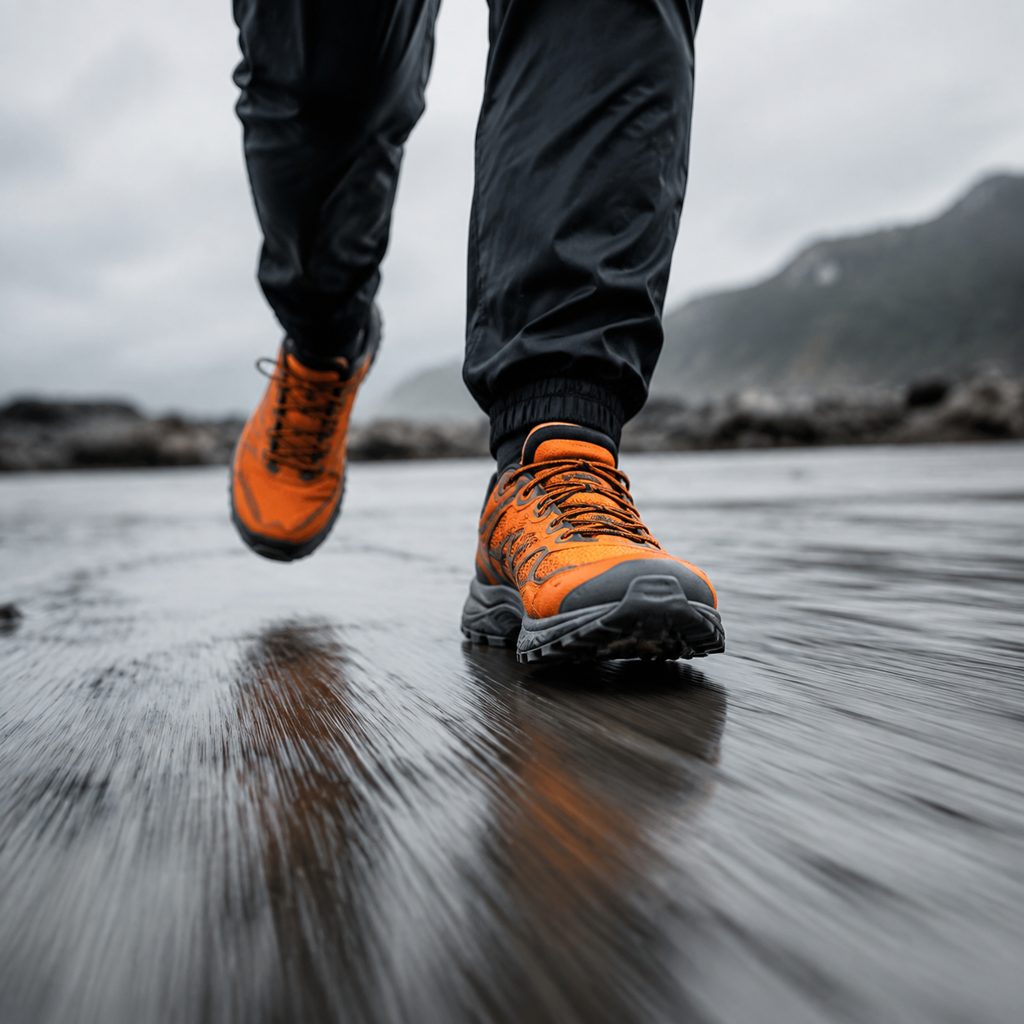
Sneaker launch on wet pavement
A product photo of a runner mid-step on rain-dark concrete becomes a ground level tracking shot: the shoe stays centered, water on the pavement streaks past, and the clip cuts straight into a 9:16 Reels ad with a price card on top.
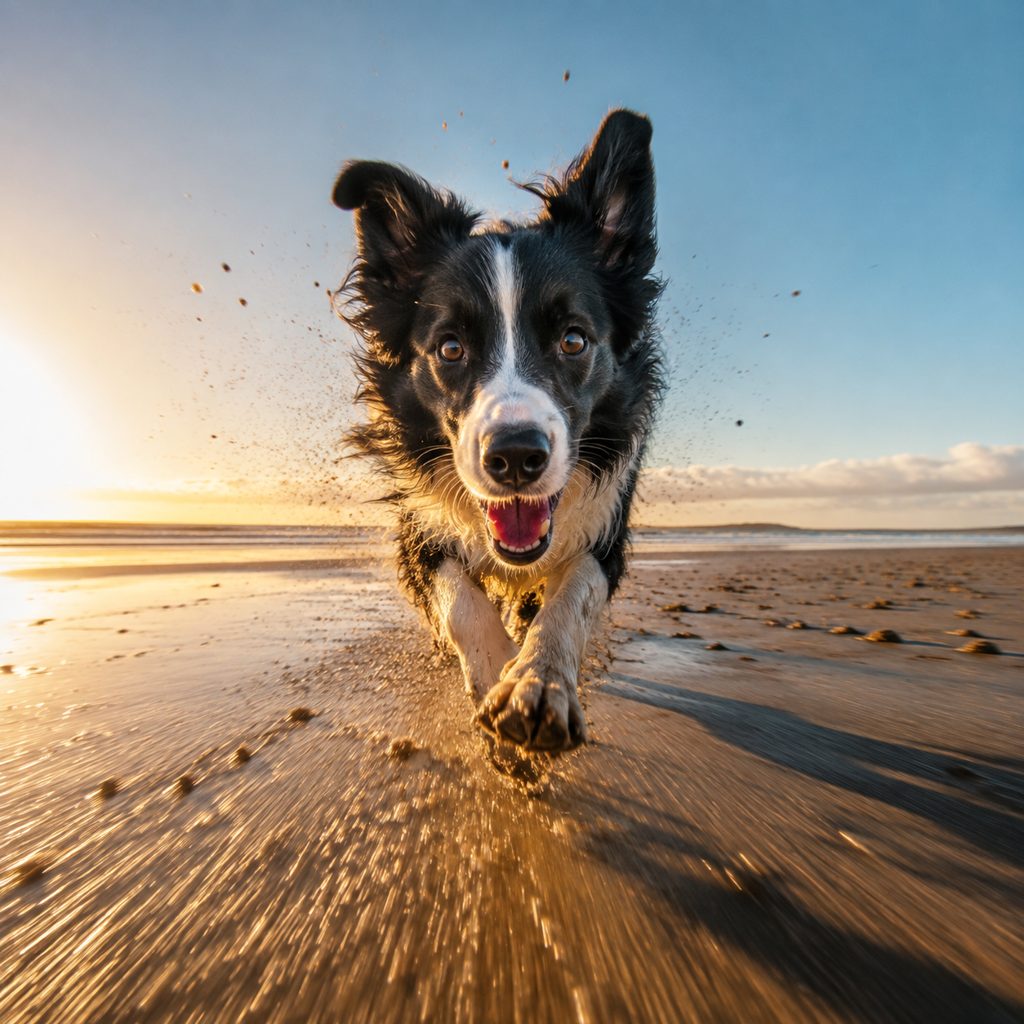
Dog sprint on the beach
One phone photo of a border collie on a sandy beach turns into a low, fast track: paws hammer the wet sand, spray kicks up, and the horizon stays flat. Pet accounts use the clip as the opening beat of a TikTok before the slow-motion catch.
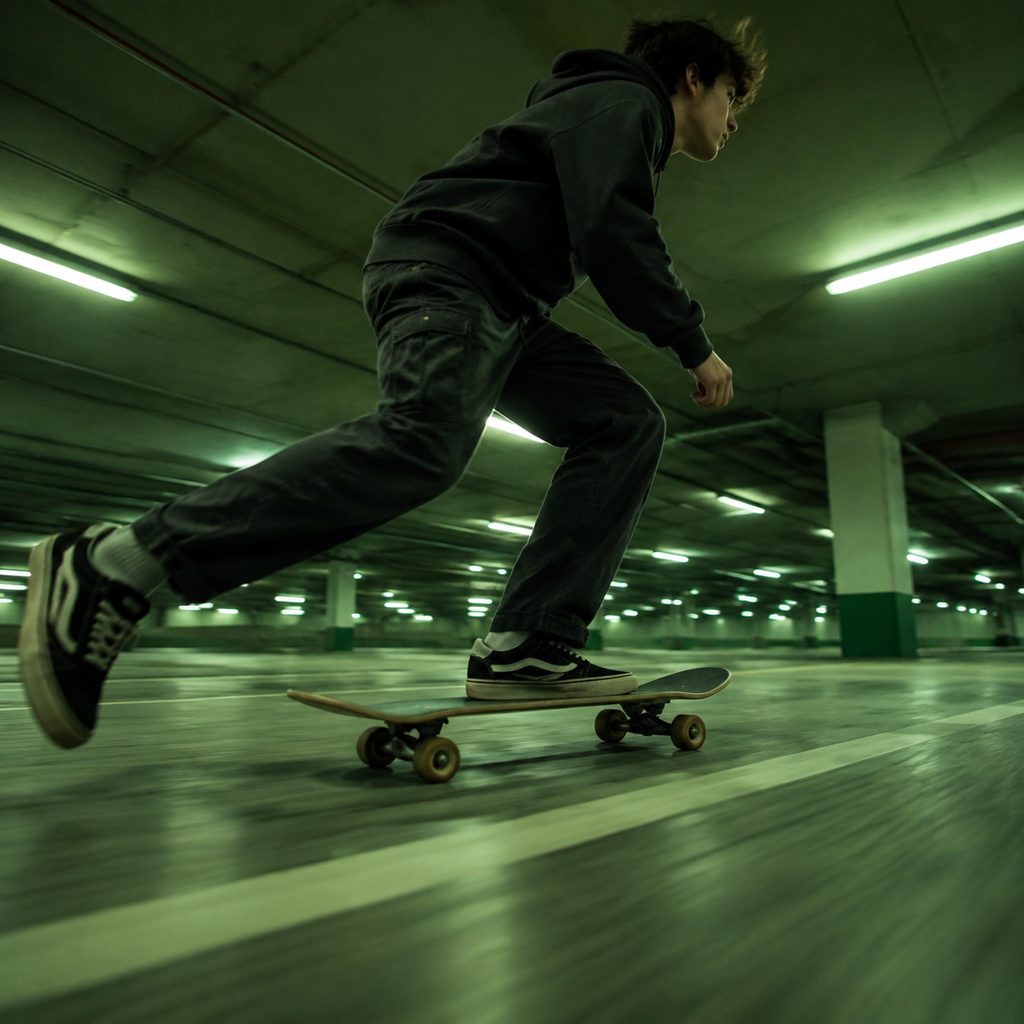
Skate line in a parking garage
A still of a skater pushing through an empty parking level becomes a ground-level track that rides beside the board. Wheels, concrete seams and fluorescent reflections stream past, giving a 16:9 YouTube edit its opening roll before the first trick.
FAQ
Common questions
What is a low angle tracking shot?+
A low angle tracking shot is a camera move filmed from ground or knee height that travels alongside or behind a moving subject. The low camera keeps feet, wheels or paws in frame while the ground streams past, which makes the subject look powerful and the motion feel fast. Filmmakers use the move for hero walks, footwear ads and chase openings.
How is a low angle shot different from a low angle tracking shot?+
A low angle shot is any framing where the camera sits below the subject and looks up; the camera can be completely still. The tracking version adds travel: the camera stays low and moves with the subject, so the ground and background sweep past instead of holding still.
What photo works best for Low Tracking?+
Use a photo where the lower body, wheels or paws are visible and there is open ground in the direction of travel. A subject caught mid-stride or already rolling gives the engine a clear path to follow. An eye-level upload still works; the template lowers the camera on its own.
How long is the clip, and what format is it?+
The template produces a short clip from the single frame you upload, in vertical or landscape output depending on the workbench setting. The subject's look stays consistent through the whole clip, and the camera holds its low height from the first frame to the last, so the clip cuts cleanly into a longer edit.
Do I need a slider, dolly or gimbal to get this shot?+
No rig is needed. The template generates the ground level tracking move from one uploaded photo using image-to-video generation, so there is no floor slider to level, no crouching operator and no second take. Upload the still, pick the template, generate, then download the clip.
Where does a low angle tracking shot work best?+
Vertical 9:16 Reels and TikTok benefit most, because the tall frame leaves room for the ground in the lower half and the subject's legs above it. On 16:9 YouTube, the move opens a sneaker review, a dog video or a skate edit.
Other names for Low Tracking
Editors and camera operators call this move by several names. Low tracking shot, ground level tracking shot and low angle tracking shot are the most common. Steadicam operators say low mode; gimbal users say underslung or ankle-level tracking; ad agencies just call it the feet shot or the wheels shot. If you searched for any of those, this LazyKiwi template makes the same move from a single photo.
Drop the camera to the ground with one photo
Free credits when you sign up. No slider, no rig, just one upload.